The decision
Compare sustained demand with the manufacturer's sustained rating under its stated conditions. Record peak demand and duration separately; a peak or class label is not a continuous rating.
Keep the rating and its conditions together
Product names often provide a quick indication of a power class. The detailed specification explains what that figure means. Rated, continuous, maximum and peak values must retain their original labels when copied into a comparison sheet. Temperature, cooling, altitude and input conditions may also affect the interpretation.
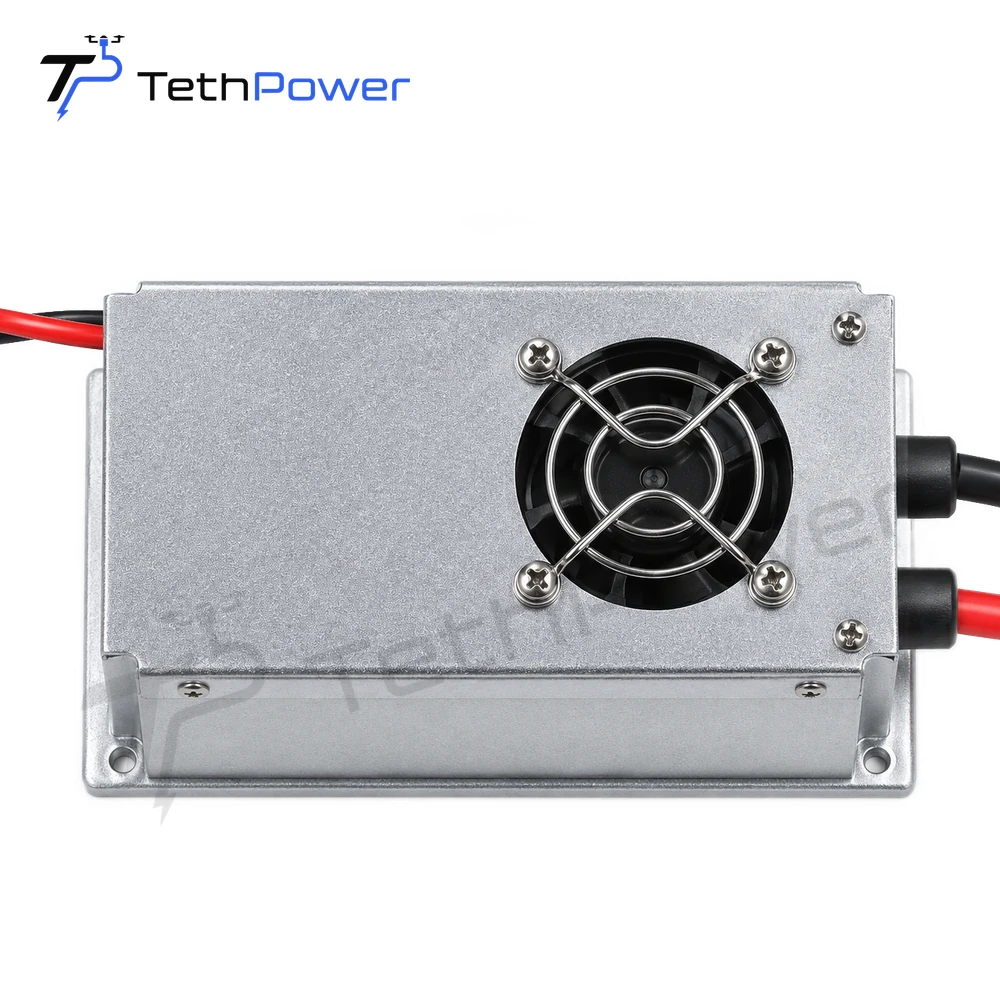
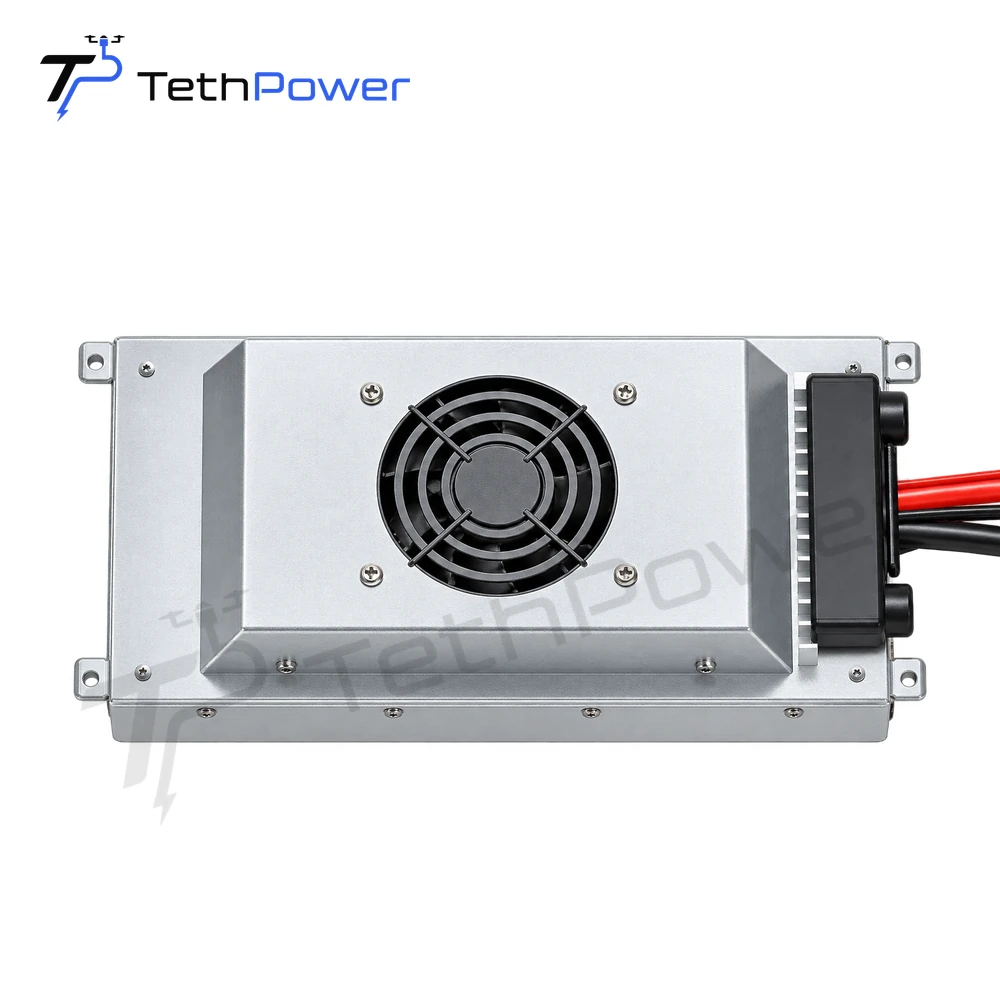
The TP-P1.5 specification makes this distinction explicit: 1.4 kW rated output and 1.5 kW peak output. A requirement for 1.5 kW throughout a mission should therefore be reviewed as a sustained-load requirement, rather than assumed to be covered by the product name.
Describe a mission as a load profile
Separate steady operation from takeoff, maneuvering and payload changes. For each state, record power, duration and the conditions under which the value was obtained. A single number from an unloaded aircraft may not describe the same aircraft carrying a light, cleaning accessory or other payload.
For a custom platform, useful inputs include the DC bus voltage window, measured power at the intended payload, transient demand and any existing battery arrangement. Keep measurements distinct from estimates. We can then identify which assumptions need confirmation.
Compare every part of the chain
The ground source, ground station, tether and airborne module have different roles. A ground station output figure cannot be copied directly into the aircraft’s available-power column. Conversion losses, cable conditions and the selected interfaces belong in the complete system review.
Likewise, a change to one module does not automatically increase the usable output of the whole configuration. Review the other components against the revised requirement and request the relevant model documents.
Build a useful comparison row
Use separate fields for the original rating label, value, voltage, duration, environmental conditions and supporting document. Add the required load beside these fields. If a peak duration or derating condition is absent from a document, leave it as a question for us rather than filling it with an assumption.
This approach makes differences visible without inventing a new common rating. It also gives engineering and purchasing teams a shared record for deciding whether the proposed equipment meets the mission requirement.