The decision
Send one brief that identifies the task, aircraft, operating conditions and equipment already owned. Unknown values can remain open questions while the available information starts the review.
Describe the project in a few lines
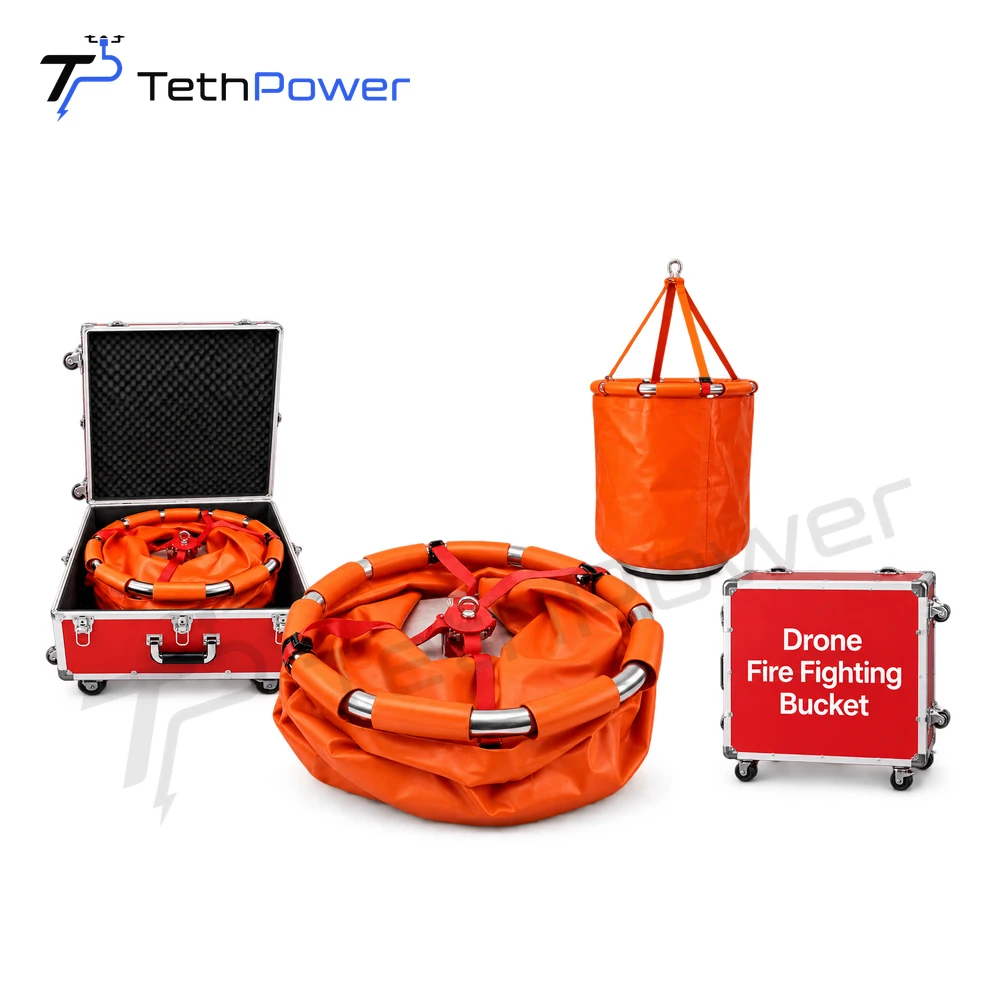
Name the application and the aircraft or custom platform. State the required operating height, duration and payload. If the enquiry is for a cleaning, lighting or firefighting accessory, identify that role explicitly so it is not mistaken for a request for an entire aircraft system.
Add the destination, intended quantity and target project timing. These commercial inputs help define the quotation scope. They do not need to be perfectly final before an initial discussion can begin.
Attach the technical information you have
For power equipment, include the aircraft DC voltage range, sustained and peak demand, ground source and tether requirement. For cleaning, add the surface, pump, hose, nozzle and working distance. For lighting, describe the area and required illumination information. For a carried accessory, describe the carrier and intended load.
Relevant manuals, drawings and photographs help identify interfaces. Keep source measurements separate from estimates. Mark missing values as “to confirm” rather than silently assuming a value from another model.
Separate owned equipment from requested equipment
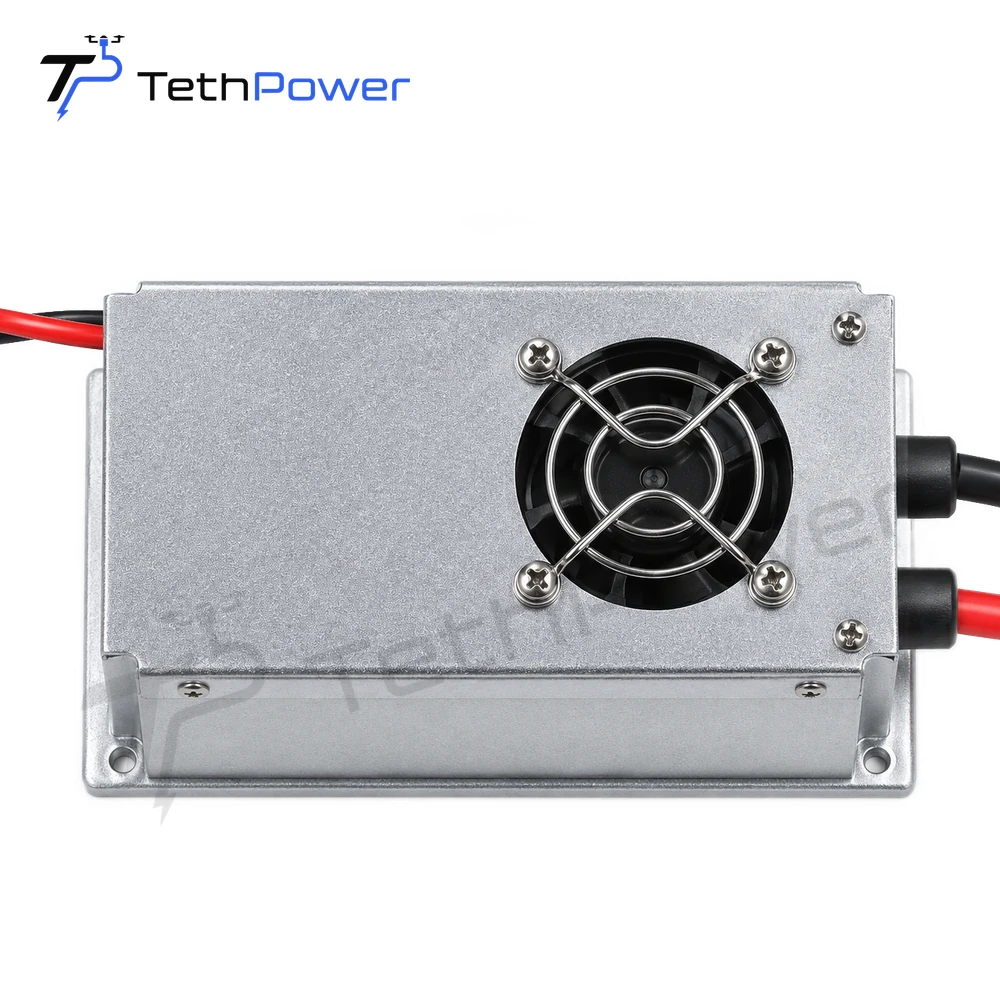
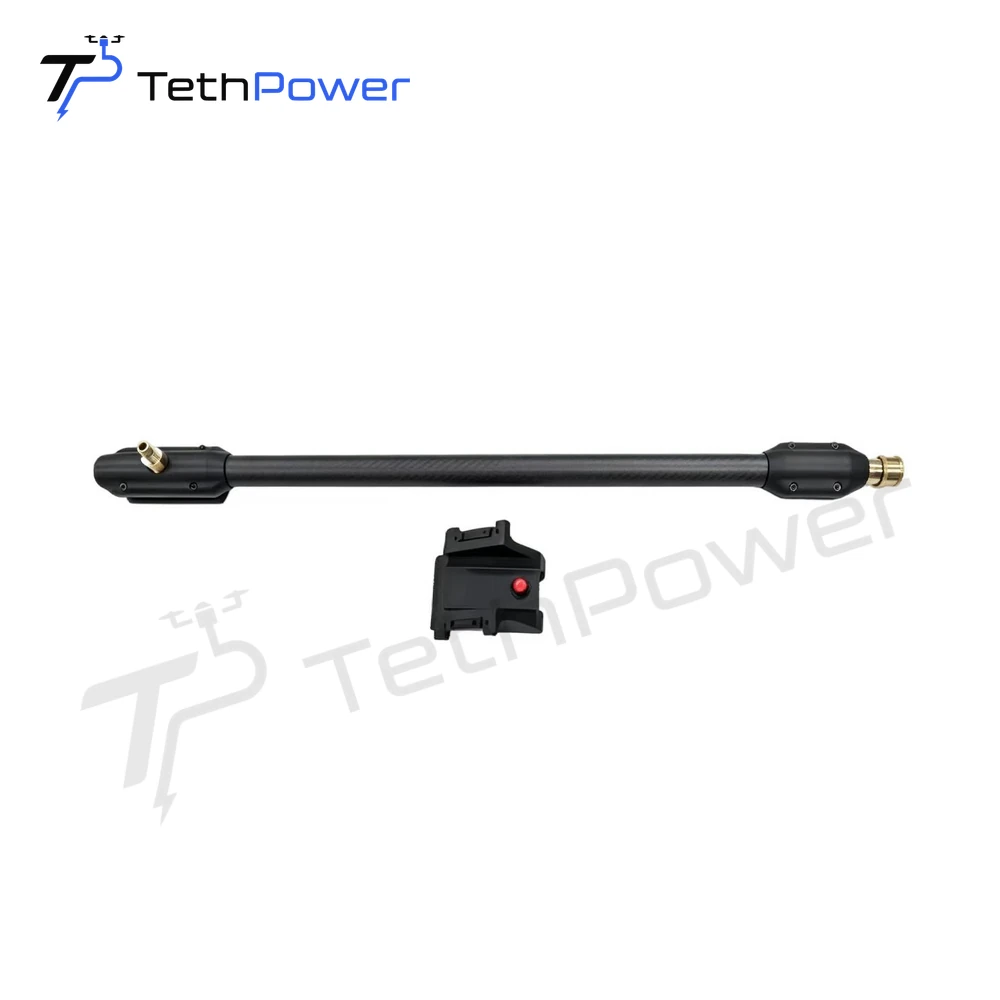
Make two lists: equipment already available and equipment to be quoted. Include the ground power source, aircraft, station, tether, airborne module and task-specific accessories as applicable. Add transport cases, spare parts and documents if required.
Ask us to provide a named equipment list with included and optional items clearly identified. This becomes the reference for comparing the technical proposal and the commercial quotation.
Use this enquiry outline
- Aircraft or platform, with the relevant model documents.
- Application, payload and intended operating conditions.
- Required power, height, water delivery or lighting information, as applicable.
- Existing equipment and requested supply scope.
- Quantity, delivery destination and planned project timing.
- Documents, support and acceptance questions to resolve.
Choose a relevant product in the product library or send a general configuration enquiry. An incomplete but well-labelled brief is enough to identify the next useful questions and begin a focused proposal.