The decision
Compare both approaches against the same site and task. Aerial lighting introduces aircraft and tether requirements, while a light tower has its own placement and transport constraints.
Use one site brief for both options
Record the area, activities, access routes and intended operating period. Mark obstacles and the positions from which equipment could illuminate the work. Keep the same lighting objective when evaluating a ground tower and an aerial configuration.
This makes tradeoffs visible. The question is how each proposed arrangement serves that particular site, rather than which technology is universally better. A project may also consider a combination of lighting equipment if its requirements call for it.
Compare placement and logistics
For a light tower, review the proposed location, transport and space requirements using the tower’s documentation. For aerial lighting, review the aircraft operating area, ground station position, cable route and crew arrangements. Each option needs a practical deployment plan.
Ask how equipment moves between work areas and how long the task is expected to continue. Include the supporting power source and any equipment supplied by the site. Avoid leaving these items outside the comparison simply because they are absent from a product headline.
Compare lighting evidence on equal terms
Request illumination information with the corresponding geometry and measurement conditions. The area covered, light distribution and task requirements need to be considered together. Total output alone cannot establish which arrangement provides the desired result at the surface.
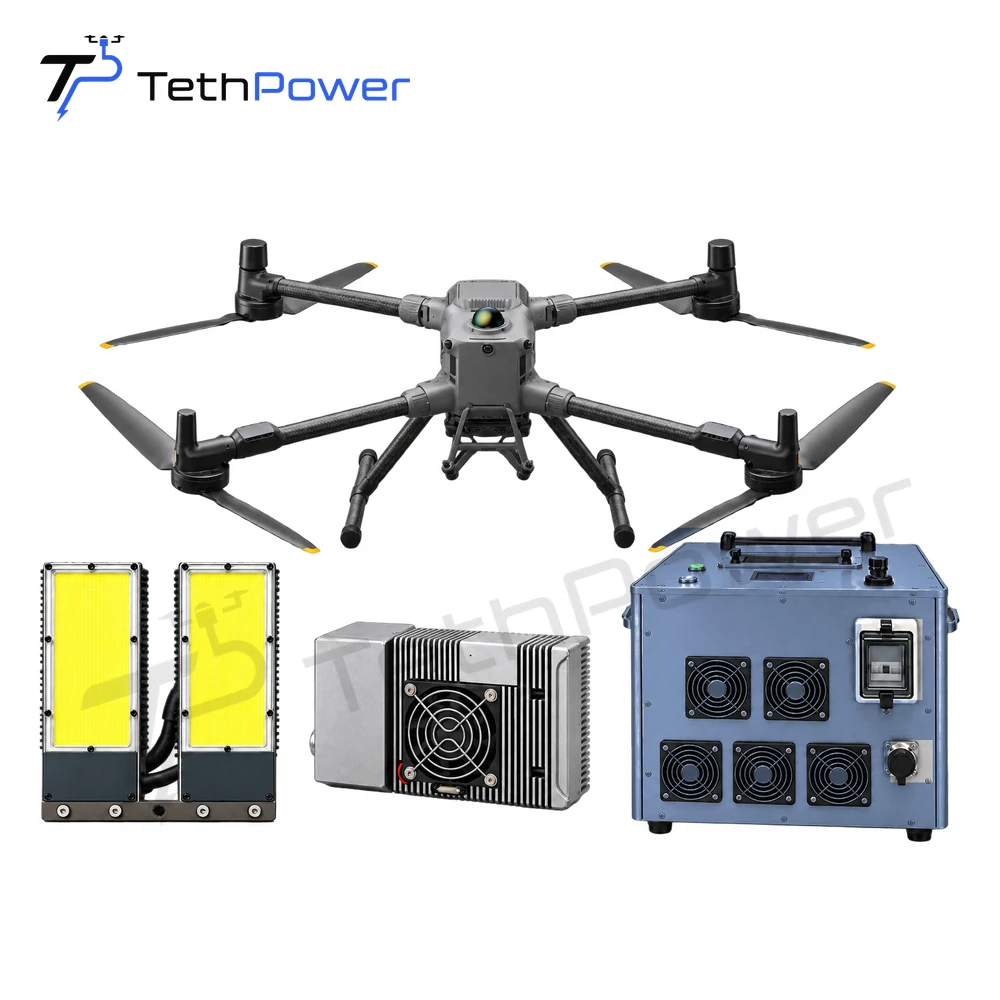
The aerial lighting measurement guide explains the questions to record. For our proposal, the Matrice M400 lighting system provides the named product reference; its specifications should remain distinct from data supplied for another manufacturer’s equipment.
Include operating requirements and scope
List the crew, site permissions, documented environmental limits and operating procedures relevant to each proposed option. The responsible operator should review the intended site and activity. Keep equipment selection separate from assumptions about operating permission.
Finally, compare a complete supplied package: equipment, power source, transport, documentation and requested support. A clearly scoped offer helps the buyer evaluate operational fit and cost without relying on unsupported claims about savings, coverage or performance.
Connect the lighting task to the power equipment
Keep the aircraft load and lamp load separate in the initial brief. A lamp’s electrical demand does not include the power needed to keep the aircraft in position. Include the selected lamp, its mounting and power interface alongside the aircraft’s sustained and peak requirements.
| Site question | Equipment decision it informs |
|---|---|
| Where must the light reach? | Lamp choice, proposed position and illumination evaluation |
| What can the aircraft carry? | Lamp, airborne module, mounting and suspended cable |
| Which supply is available on the ground? | Ground station input and external source |
| How long will the task run? | Power-source energy or fuel arrangements and operating plan |
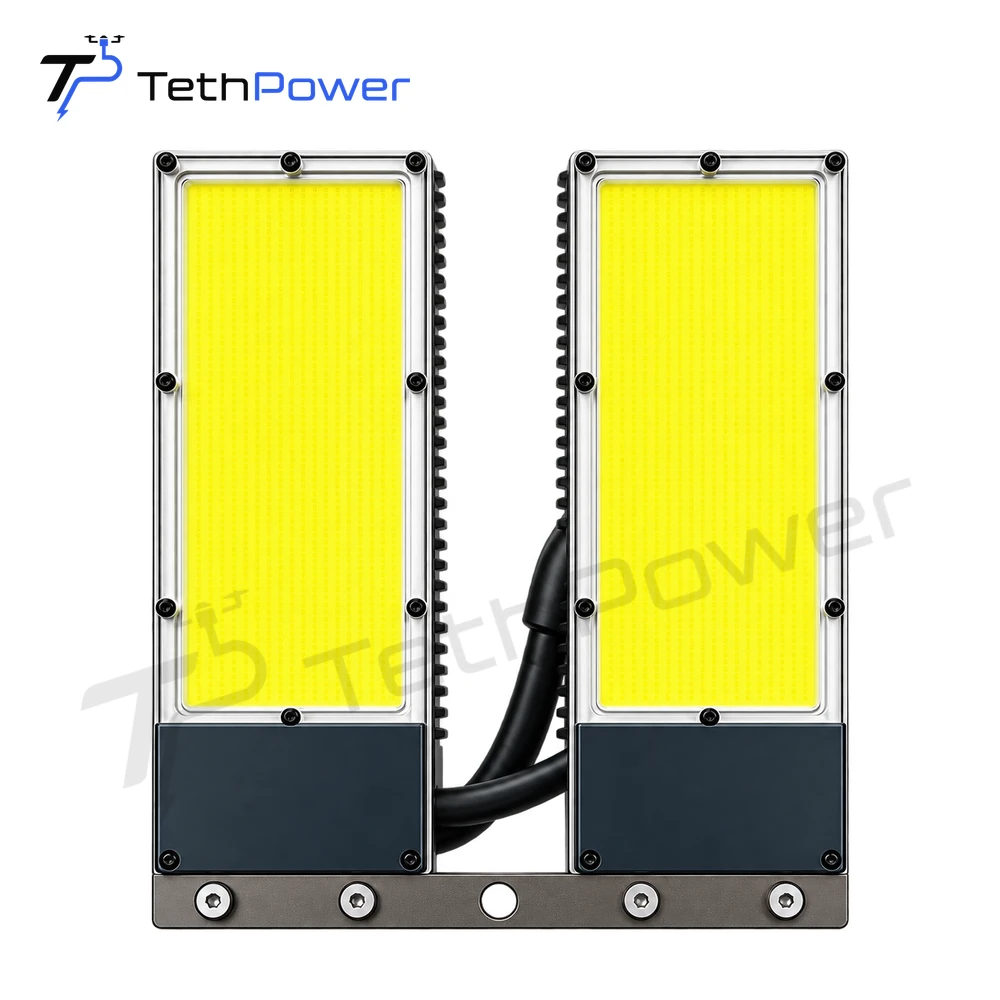
For the named lighting packages, start with our lighting equipment and the Matrice M400 system. For your own aircraft, use the airborne selection guide and Build to prepare a module proposal around the actual lighting load.