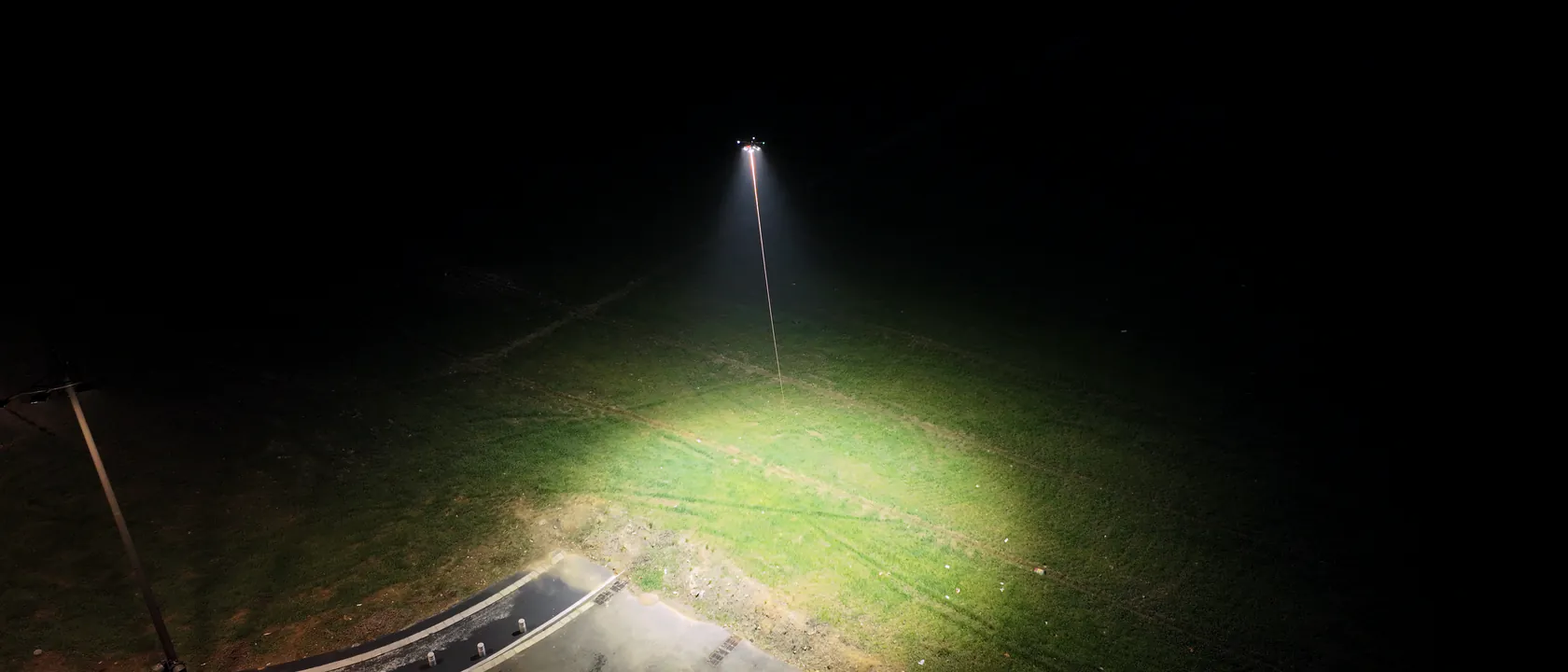
At a glance
Compare how the proposed light serves the work area. Total light output, illumination at a surface and coverage describe different aspects of the requirement.
Describe the area to be illuminated
For a night worksite, the useful question is what your team can see on the ground. Lumens describe a light’s output; lux describes how much reaches a surface. The light’s position, optics and distribution shape the result across your working area.
Provide the area dimensions, ground layout and tasks taking place there. State whether the light is intended for a work zone, an emergency staging area or another application. Include the positions of people, vehicles and obstacles that affect the lighting plan.
If your project has an illumination requirement, share its source and measurement plane. Your project team sets the level needed for the task, so we can discuss a configuration around that requirement.
Keep output and delivered light separate
Two lights with the same lumen rating can illuminate a site differently. Compare the light reaching the relevant surfaces and how evenly it is distributed, alongside the total output.
Ask for the measurement conditions associated with any lighting figure. A useful record identifies the equipment, mounting or flight position, area and measurement method. Do not compare a product’s total lumen figure directly with another product’s coverage claim as though they were the same measurement.
Review the aircraft and power scope
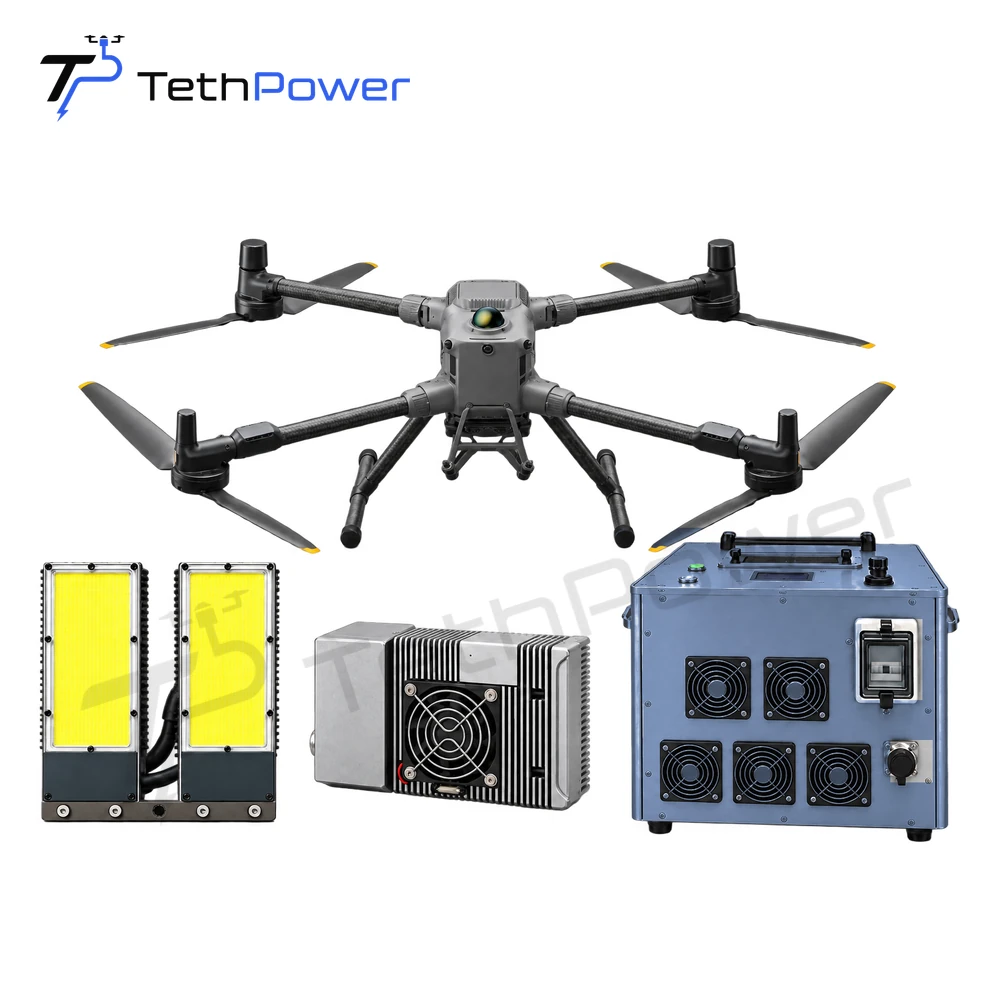
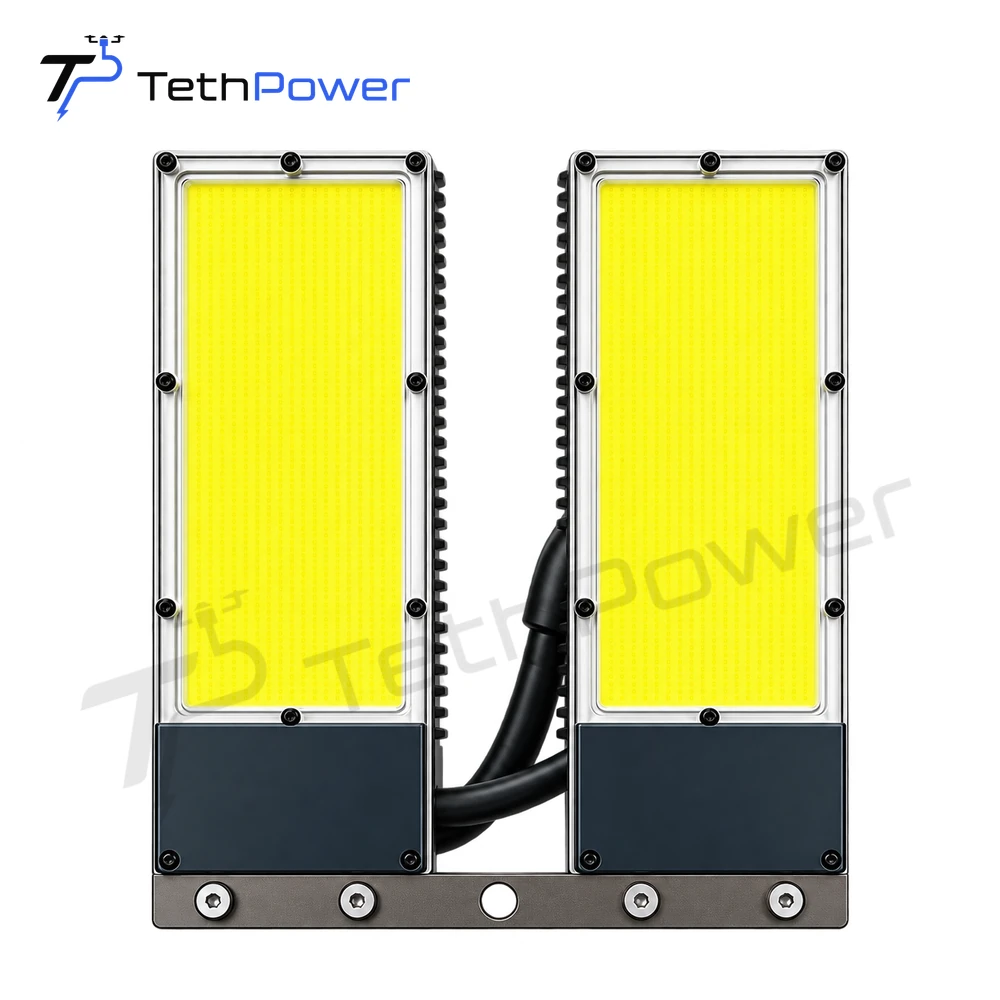
The TP-A200 lamp and TP-Matrice M400 tethered lighting system have different supply scopes. The enquiry should make clear whether a lighting payload or a proposed system is required.
Include the aircraft, other payloads, intended operating height, available ground power and deployment duration. Ask what equipment is included and what the buyer must provide. The lighting requirement and the aircraft power requirement should both be visible in the proposal.
Plan a representative assessment
Use a site plan to identify where illumination should be assessed and which areas are particularly important. Discuss shadows, glare and obstructions with the operating team. Request a demonstration or configuration-specific evidence where available, using the proposed arrangement as the reference.
The resulting comparison should show the intended task, equipment, measured or documented lighting information and outstanding questions. It is a more useful purchasing record than ranking products by their largest headline number.
Assess a pocket lighting kit
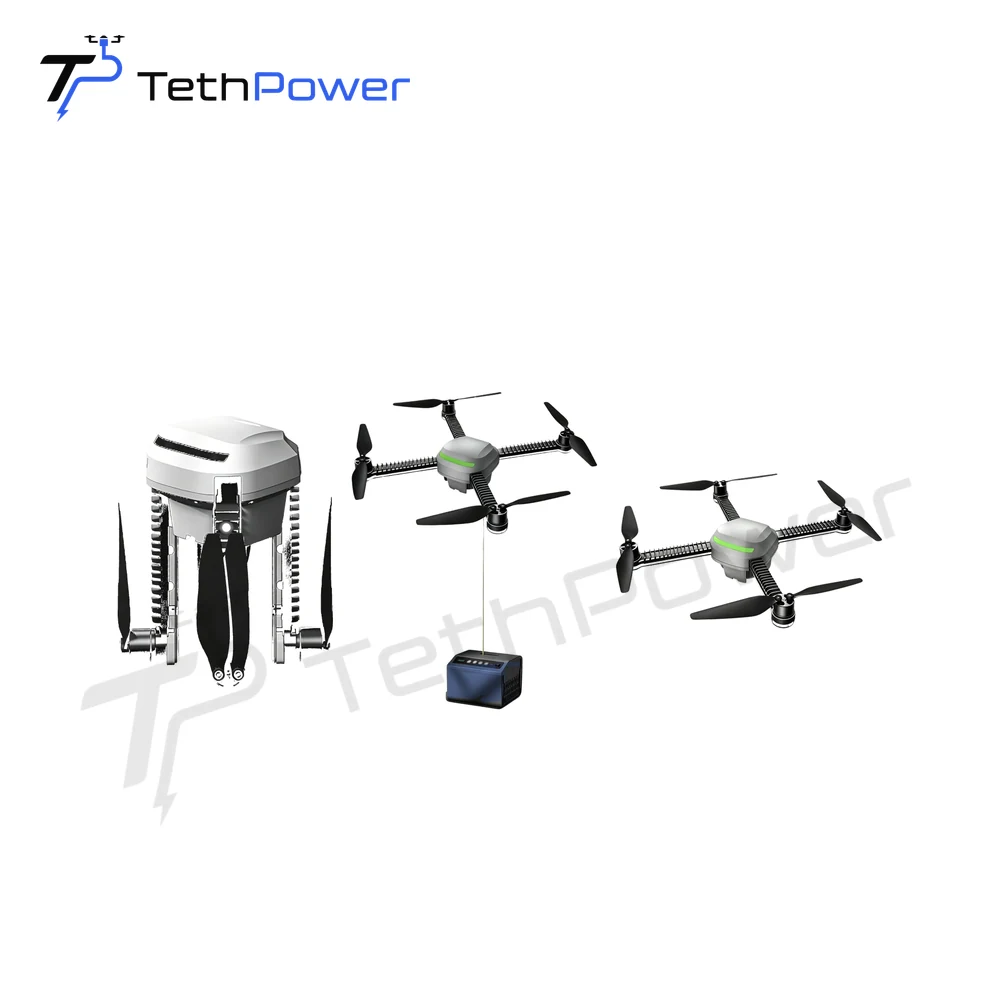
Our TP-X1 pocket tethered lighting kit lists up to 16000 lm and a lit area of up to 1000 m² at 10 m. These describe light output and coverage; they do not establish a minimum lux level across the work area. Send us the site dimensions, tasks and required measurement plane so we can discuss the lighting evidence needed for your evaluation.