The decision
Choose a nozzle as part of the pump, hose and spray-accessory configuration. Match the intended cleaning task and interface, then evaluate the result under representative conditions.
Start with the surface and cleaning objective
Describe the surface material, contamination and required result. Include any restrictions from the surface or equipment owner. A nozzle selected for one task should not be assumed suitable for every façade, panel or piece of equipment.
Explain whether the project prioritizes localized application, coverage over a wider area or another spray requirement. Give the intended working distance and provide photographs of a representative area so we can understand the proposed evaluation.
Specify the water-delivery chain
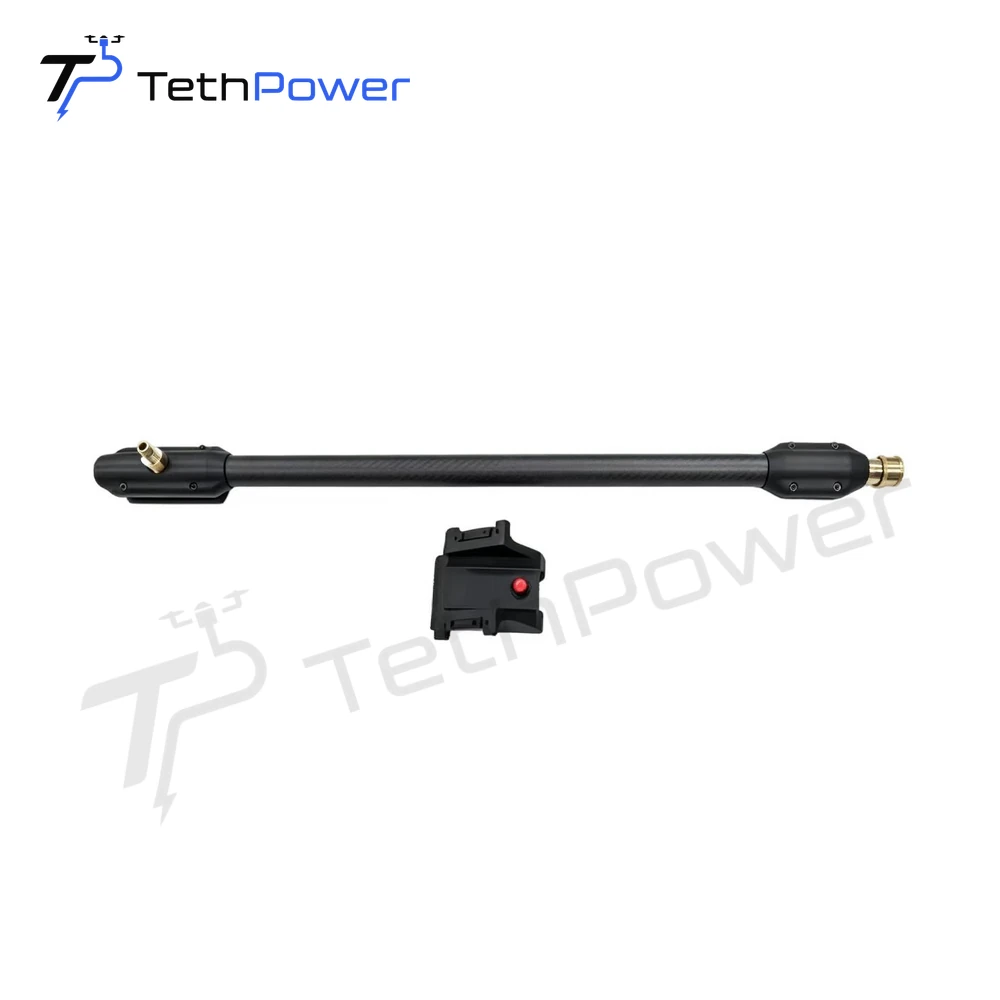
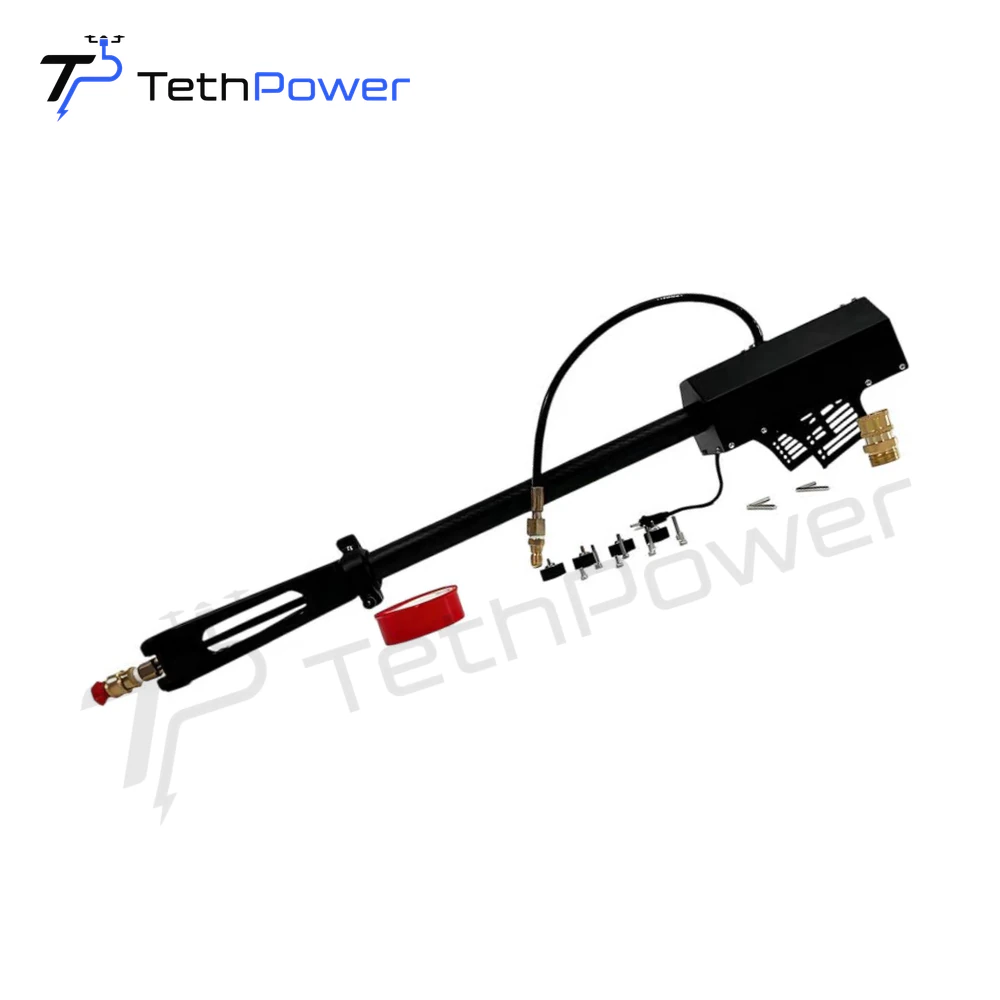
The enquiry should name the pump, hose and spray accessory. Include the pump’s documented pressure-and-flow information, hose dimensions and route, and nozzle connection details. If an item has not been selected, identify it as part of the requested proposal.
Nominal connection size is only one interface detail. Send the exact product references and photographs where available, rather than assuming that visually similar quick-release fittings are interchangeable.
Compare documented nozzle information
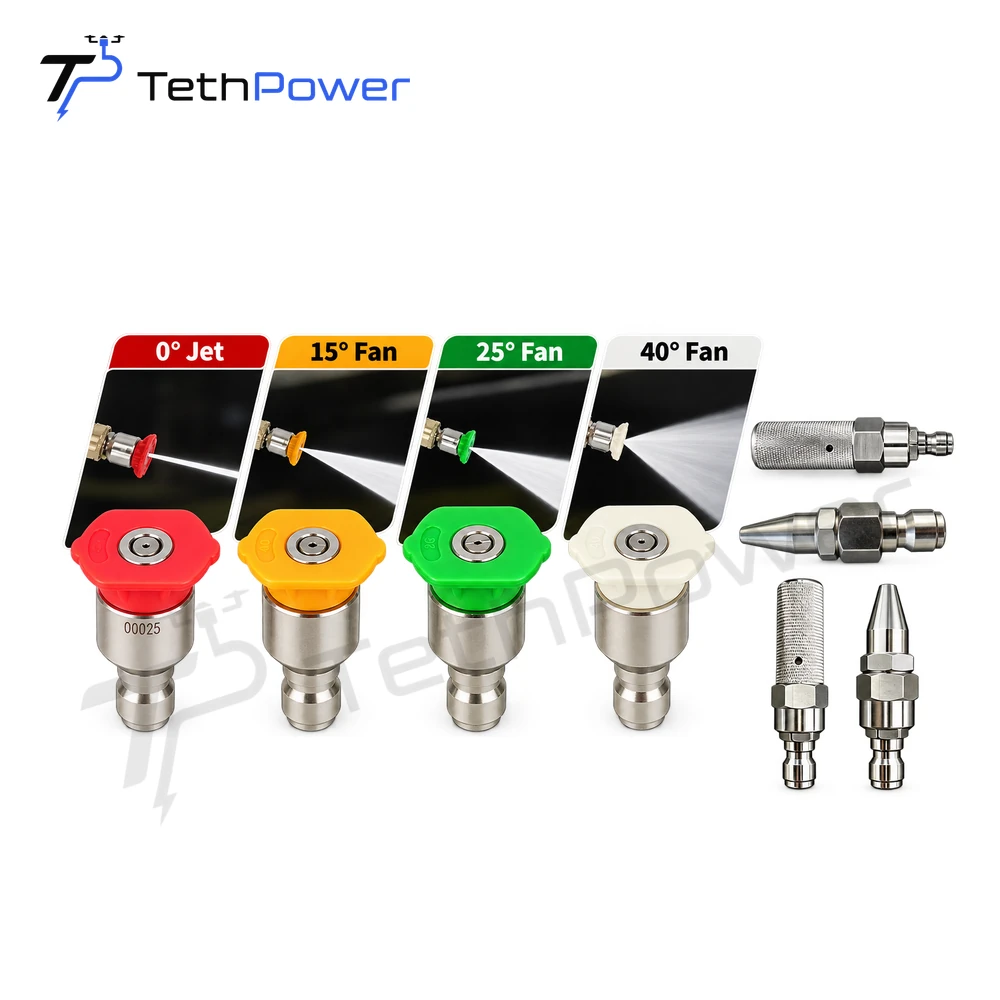
Use the TP-SG nozzle accessories page to review the current offered accessories. Ask for the proposed nozzle, its connection and applicable operating conditions to be named in the quotation. Keep optional alternatives on separate lines.
If a spray-range figure is part of the comparison, retain the nozzle and supply conditions that produced it. Changing a nozzle or water-delivery arrangement creates a different configuration that needs its own review. A range figure is not a substitute for evaluating cleaning effectiveness on the target surface.
Agree a practical evaluation
Define the trial area, surface condition, water arrangement and criteria for an acceptable result. Record the accessory and nozzle used so the result can be associated with an identifiable setup. Photographs before and after the trial can support the customer’s own review.
The resulting record helps purchasing and operating teams discuss whether to keep the proposed nozzle or consider another documented option. It also makes a later replacement enquiry more precise because the installed part and its role are recorded together.