At a glance
Select the cleaning configuration around the panel owner's requirements and site layout. Equipment specifications help shortlist products; a site-specific evaluation determines whether the proposed process meets the cleaning objective.
Describe the photovoltaic site
For a solar-cleaning project, the opportunity starts with the site: its panel layout, access and the finish the owner expects. Those details help you assess whether a drone-based approach suits the job and which equipment is worth evaluating.
State whether the panels are on a roof or a ground-mounted installation. Include array layout, access routes, panel inclination and the location of water and power. Photographs and a simple plan help show whether the proposed ground equipment and hose arrangement fit the site.
Include the panel owner’s or manufacturer’s cleaning requirements. Water quality, permitted cleaning materials and surface treatment restrictions should come from the relevant project documents. Avoid assuming one cleaning process is appropriate for every panel construction.
Identify the aircraft and accessory scope
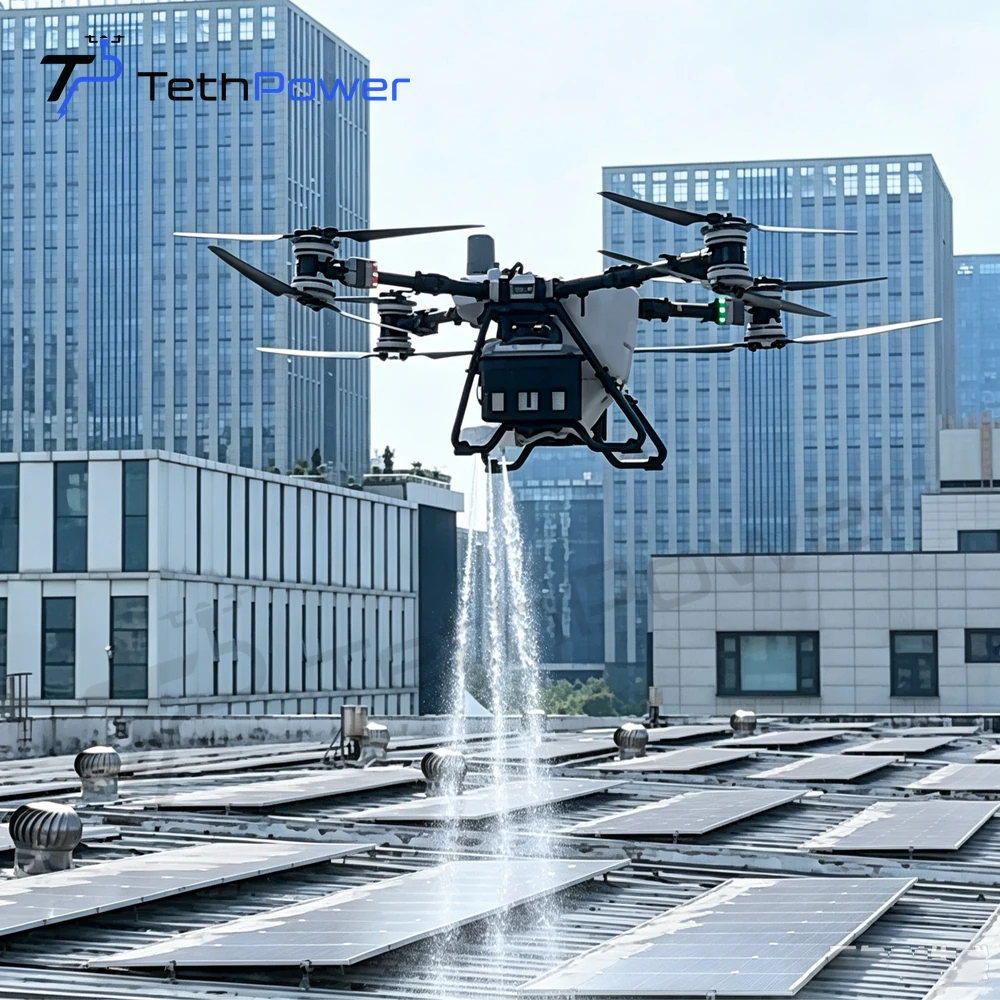
The TP-FC100 solar panel cleaning system is the current product reference for this application. Use its specification and manual when discussing the proposed equipment. State the aircraft and any existing accessories explicitly.
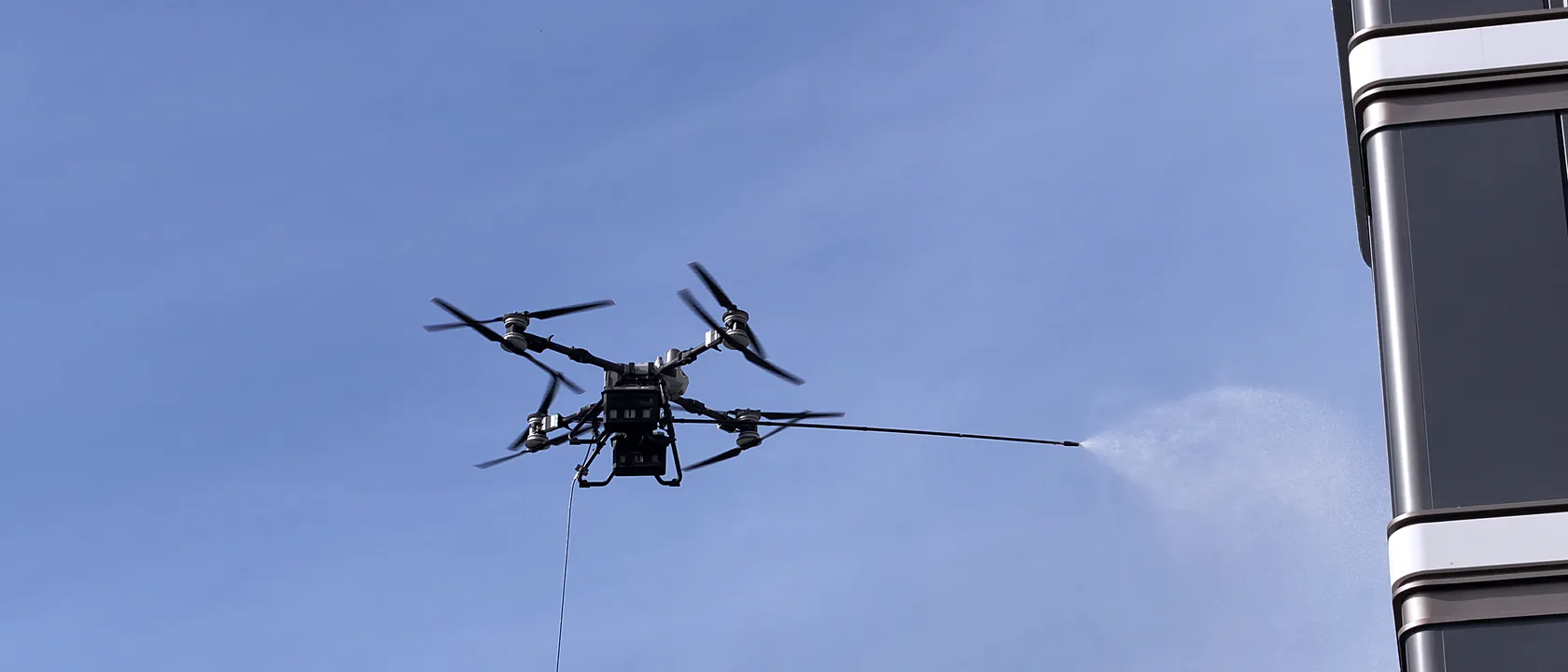
List which items are already owned and which should be quoted, including the cleaning attachment, water-delivery equipment and connections. If another platform is proposed, request a separate integration review rather than transferring the FC100 configuration by analogy.
Evaluate the water path and working arrangement
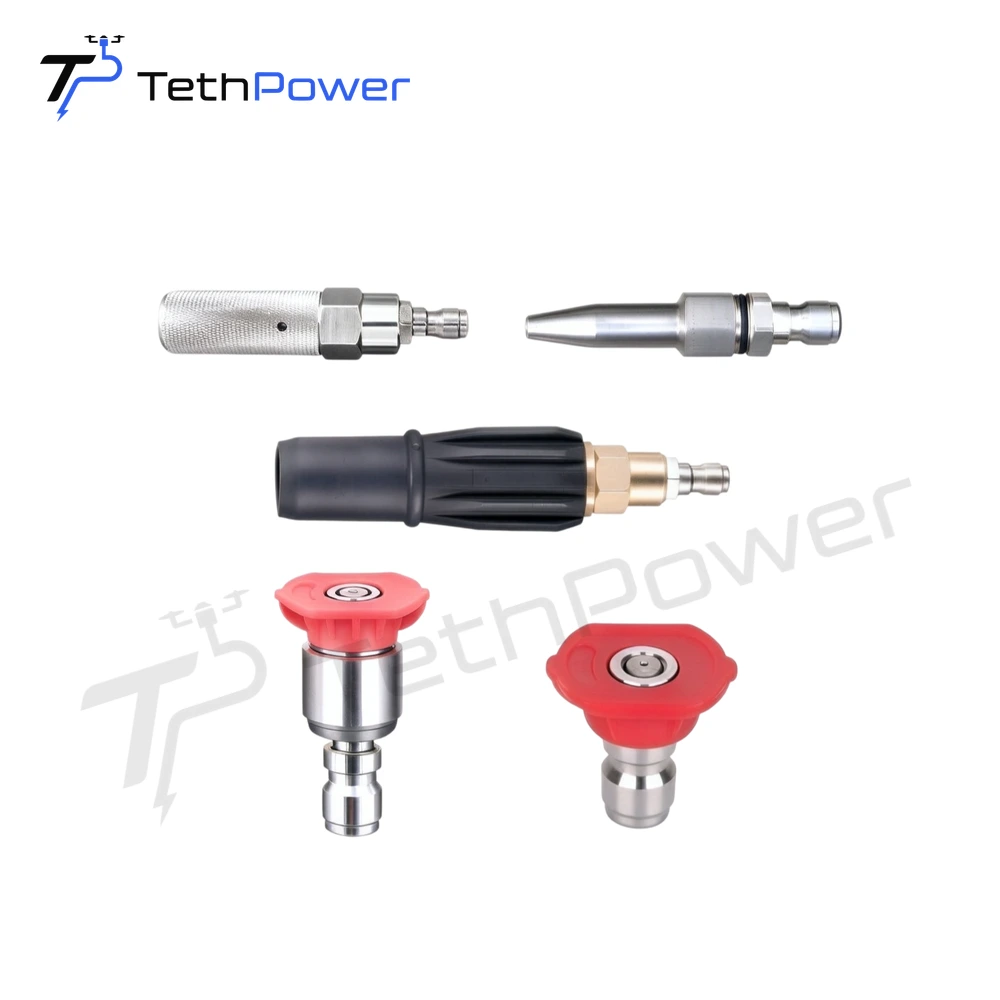
Provide pump details, hose information, nozzle selection and the intended aircraft position relative to the panels. Include how the crew plans to move between rows or work areas. These inputs give the supplier a clearer picture of the deployment than panel area alone.
Keep equipment capacity figures separate from cleaning productivity. A product specification does not establish a universal area-per-hour result. Any productivity evaluation should identify the actual site, contamination, equipment and operating conditions used.
Define the trial and quotation
Choose a representative area with the site owner and agree the cleaning acceptance criteria. Record the configuration and before-and-after condition so the result can inform the equipment decision. The customer’s project requirements should guide the evaluation.
Tell Stella about the site and the aircraft or cleaning equipment you already have. We can discuss a proposed configuration, then work through the project scale, location, quantities and documents needed for a quotation.