The decision
Review the pump, hose, nozzle and spray accessory together. A pump's pressure label alone does not describe the water delivery at the working position or the limits of the complete installation.
Identify the pump and its operating information
Share the pump manufacturer, model and documentation, including pressure-and-flow information. State whether the pump is already owned or should be included in the proposed scope. Describe the water source and any treatment or cleaning-agent requirements imposed by the surface owner.
Pressure and flow belong together in the review. Avoid copying a maximum pressure into every operating scenario. Ask us to assess the proposed pump against the selected nozzle, hose and accessory under the intended conditions.
Describe the hose path
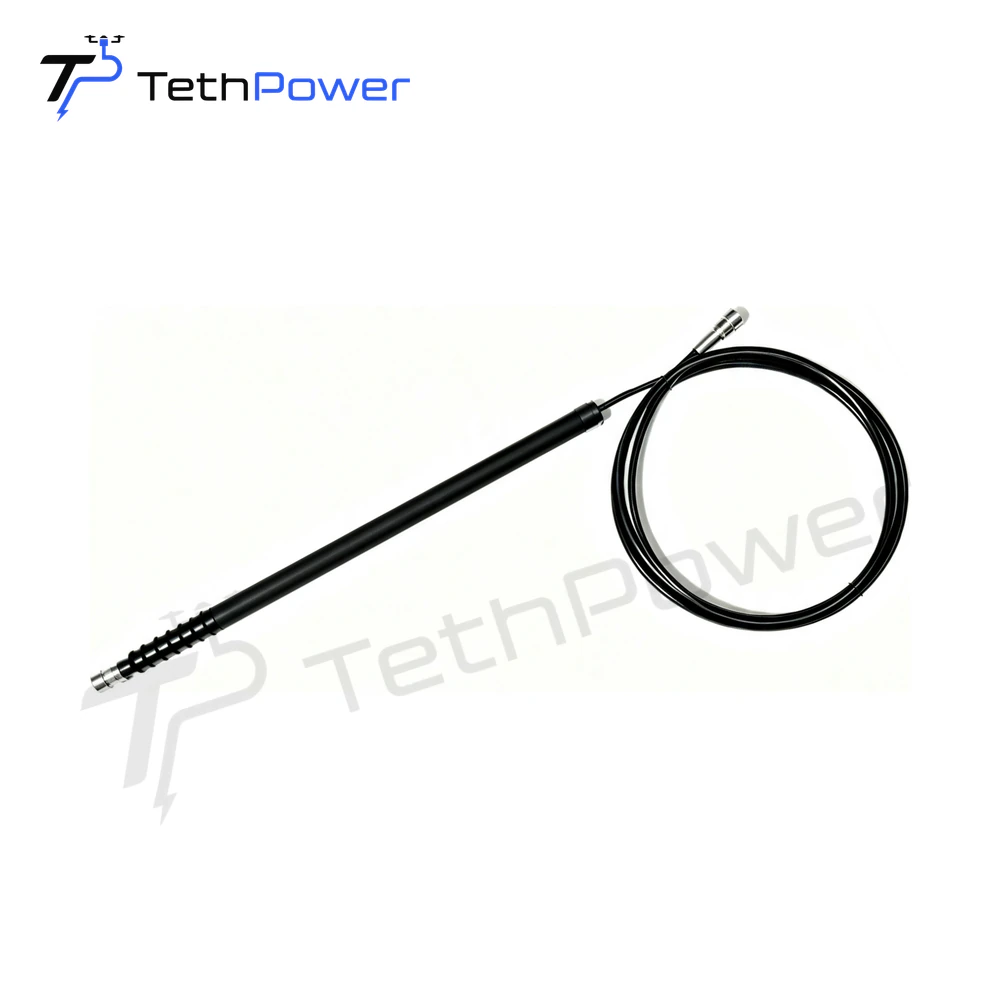
Provide hose length, internal diameter, rated conditions and connection details from its documentation. Show the vertical rise and horizontal route to the aircraft. Include the hose handling arrangement on the ground and any restrictions around the working area.
The filled hose is part of the operating arrangement. Its routing, support and interaction with the aircraft need to be reviewed with the installation. An empty-hose weight or nominal length does not describe the entire task.
Check the conditions behind performance figures
For TP-M400-SG1, the jet-range test conditions include a 2.0 mm nozzle, 10 MPa ground-pump supply and 900 L/h flow, with Beaufort force 3 wind. These are conditions attached to that documented figure, not a universal specification for every cleaning setup.
Do not treat supply pressure as the rated working pressure of every downstream component. Use each component’s specification and request a review of the proposed combination. Likewise, water reaching a stated distance does not by itself establish an acceptable cleaning result.
Define what the quotation should include
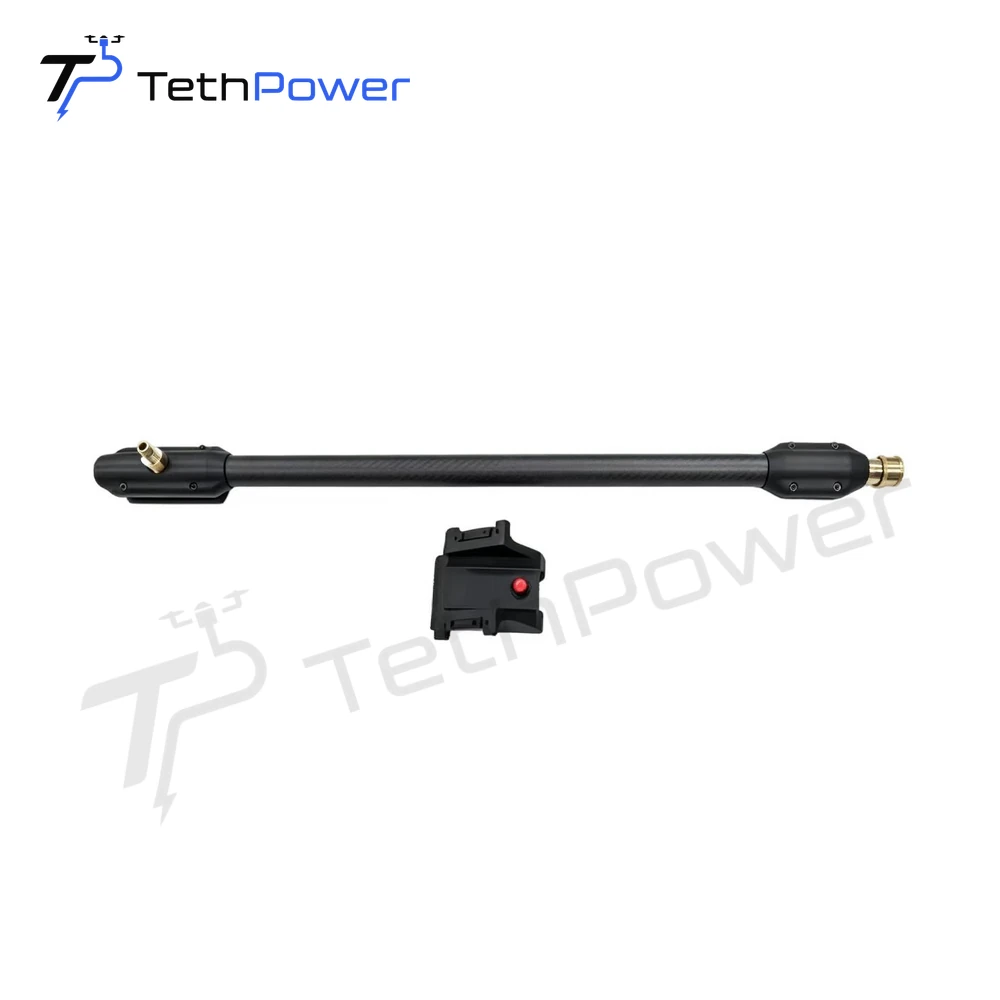
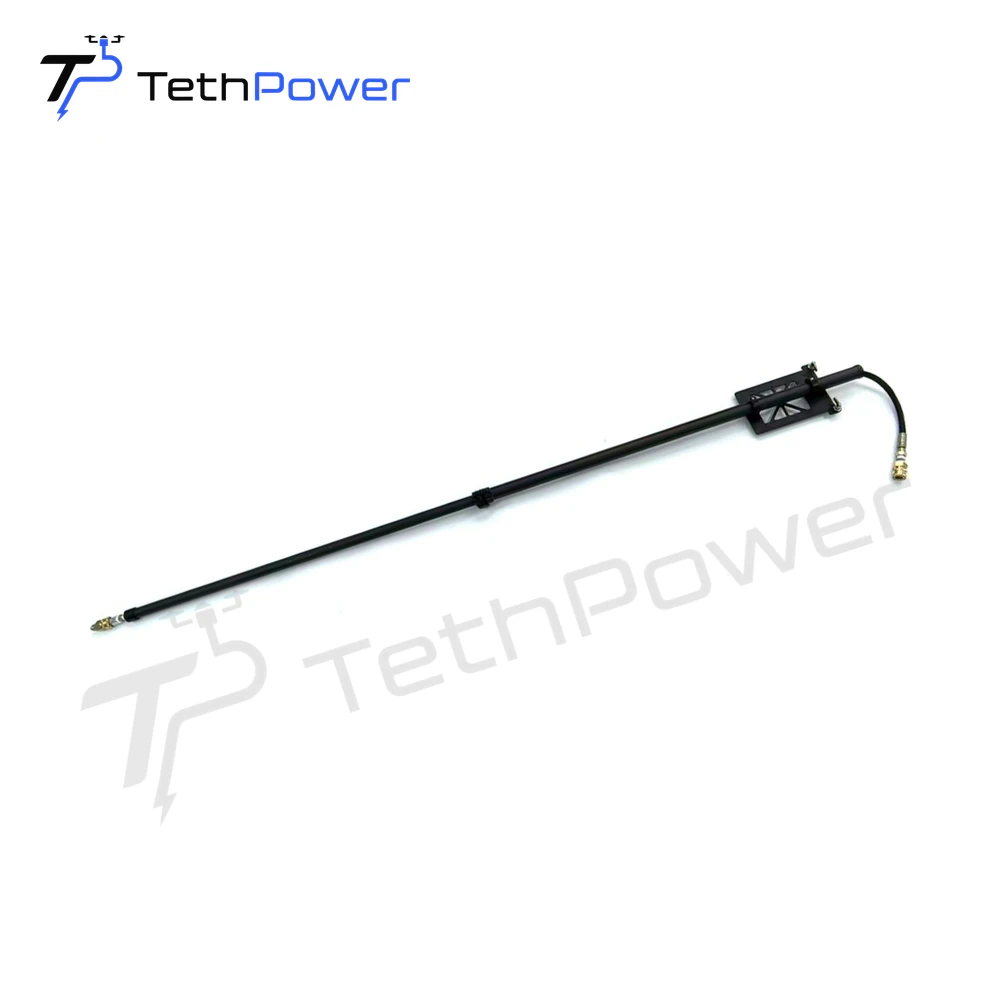
List the spray accessory, nozzles, hose, connections, pump and any equipment supplied by the buyer. Request the corresponding documents and identify any items awaiting selection. Include the required working height, surface and operating arrangement.
For an existing installation, photographs of labels and interfaces help identify the correct equipment. With a clear scope, the response can focus on matching the water-delivery chain and preparing a representative cleaning evaluation rather than supplying an isolated accessory.