The decision
Start with the test requirement and electrical interface. A high-power module is a candidate for engineering review, not evidence that a complete aircraft test installation is already compatible.
Define the test boundary
Explain whether the requirement concerns an individual load, a propulsion subsystem or a complete aircraft on a ground test arrangement. These scopes require different interface discussions. Include the test objective, expected operating states and the equipment already installed in the test facility.
Keep a laboratory supply requirement separate from an airborne installation requirement. Weight and mounting may dominate the latter, while the former may involve facility power, instrumentation and controlled access. The same power number does not describe both projects.
Document the electrical interface
Supply the normal DC bus voltage, allowed range, current demand and transient profile. State how these values were measured or estimated. Identify any startup sequencing, control interface and power-flow behavior that the proposed equipment must support, and ask for confirmation where the specification is incomplete.
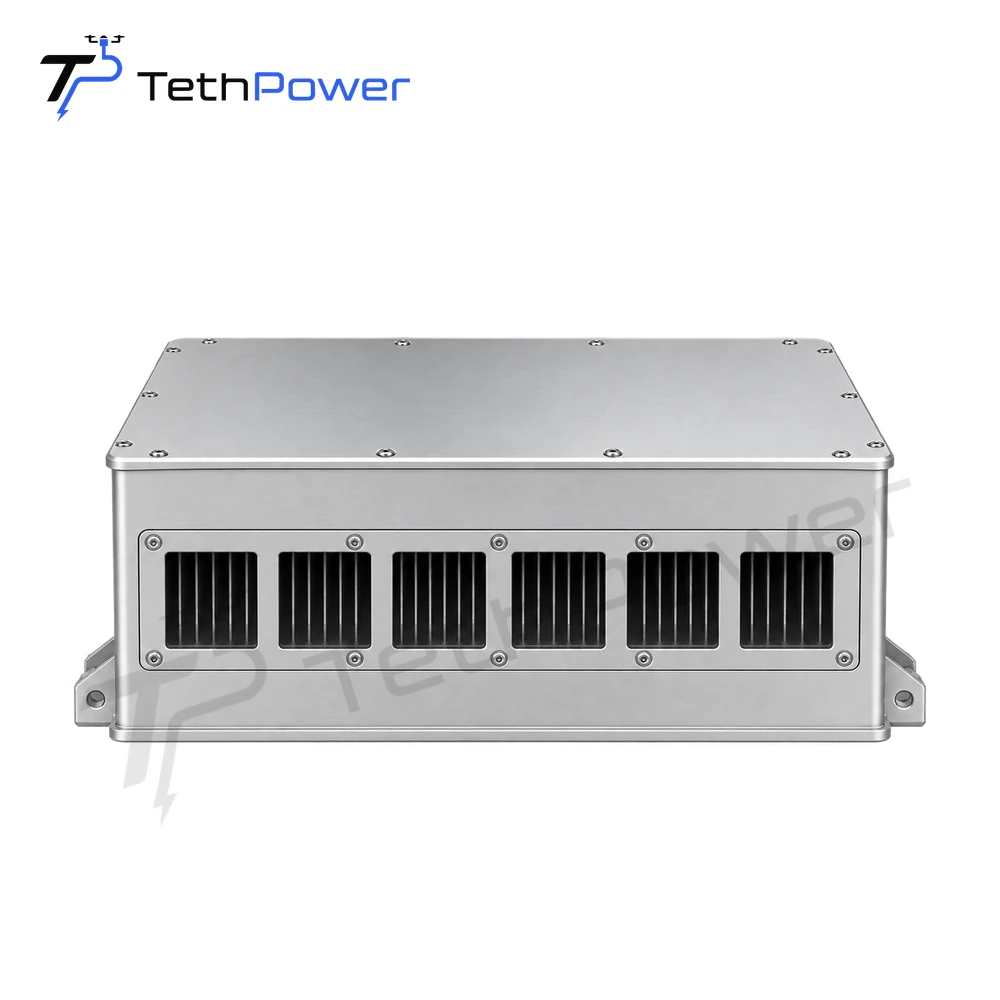
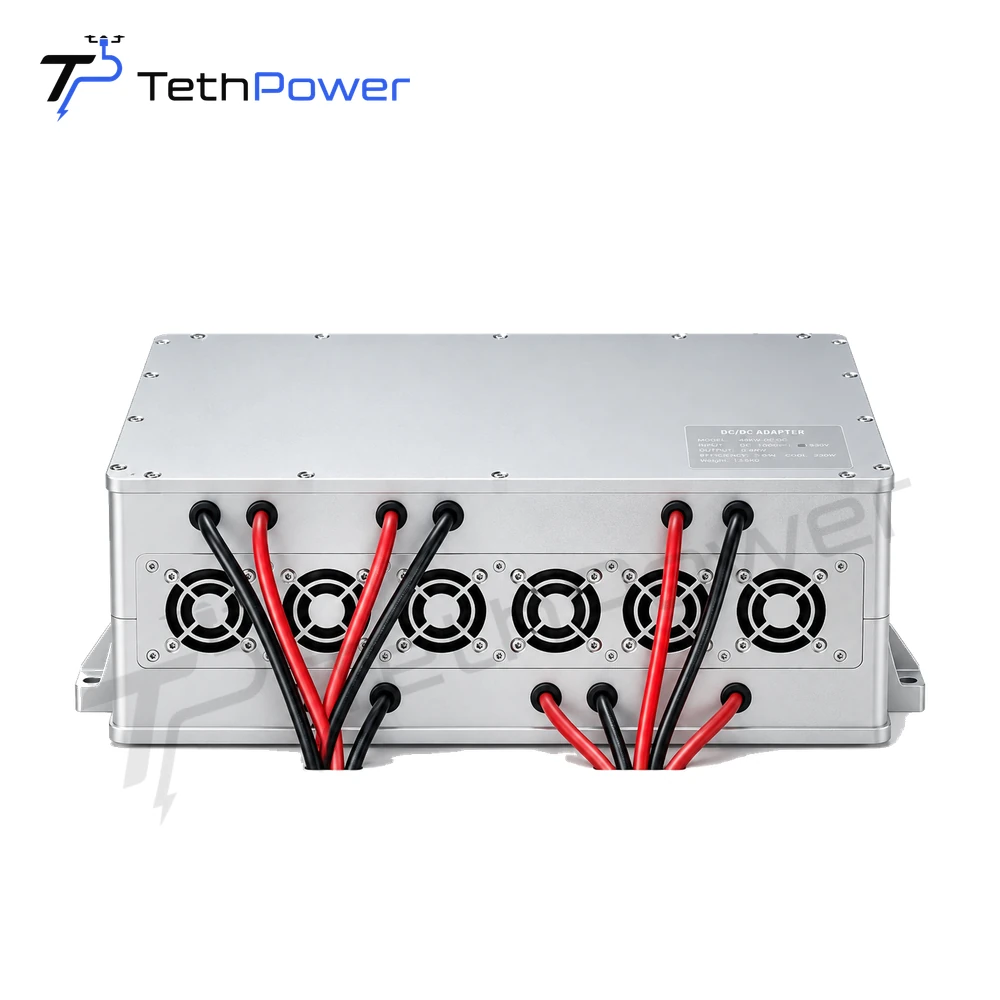
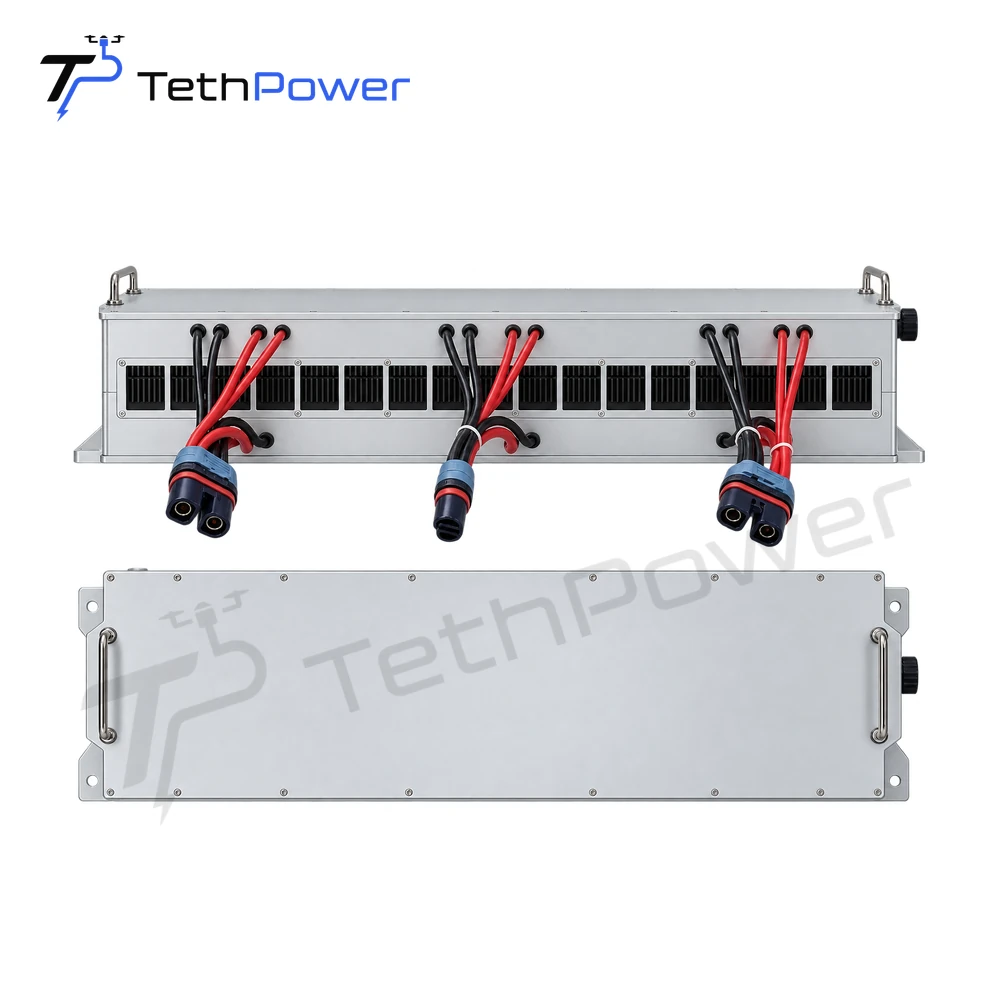
The high-power onboard module range contains model-specific voltage and power information. Use each product page to shortlist candidates for discussion. Do not substitute the family name for the detailed electrical limits.
Describe the environment and supporting equipment
The enquiry should include the available ground supply, cooling arrangement, installation location, cable route and planned duty cycle. Share a block diagram that identifies the test article, source equipment and existing protection and monitoring systems. This helps us understand which equipment we need to include.
List which drawings and interface documents can be shared, and which questions need an engineering meeting. A clear boundary is especially useful when several suppliers provide different parts of the test arrangement.
Agree how the proposal will be evaluated
Before ordering, request a written list of the proposed models, operating conditions, included interfaces and unresolved requirements. Establish what documentation and configuration review are needed for the project. The quotation should identify the equipment being supplied and the assumptions used to select it.
An early enquiry can proceed with incomplete measurements if those gaps are explicit. Send the available information and mark unknowns. The next step is a focused review of the missing inputs, rather than selecting a power class and assuming the rest of the installation follows automatically.