Begin with the aircraft and the available ground supply
The airborne module must supply the aircraft at the required voltage and load. The ground station must work from the available site supply and deliver power through the selected tether. A useful custom configuration connects these requirements from end to end.
Send the aircraft model or electrical specification, intended task and required height. If you already have a module, ground station or cable, identify the equipment that should stay in the installation.
Tell us what needs to change
| Custom requirement | Useful starting information |
|---|---|
| Aircraft output voltage | Allowed DC input range, load and battery arrangement |
| Power requirement | Sustained demand, peaks and their duration |
| Tether cable | Operating height, length, installation and any data requirement |
| Connectors and interfaces | Mating equipment, connector references and interface documents |
| Mounting | Drawings, dimensions, mass allowance, airflow and access |
| Ground equipment | Available AC supply, enclosure or deployment constraints |
A short description of the problem is enough to start the discussion. We can identify which details affect the product selection and which require further engineering review.
Compare existing products before defining a new configuration
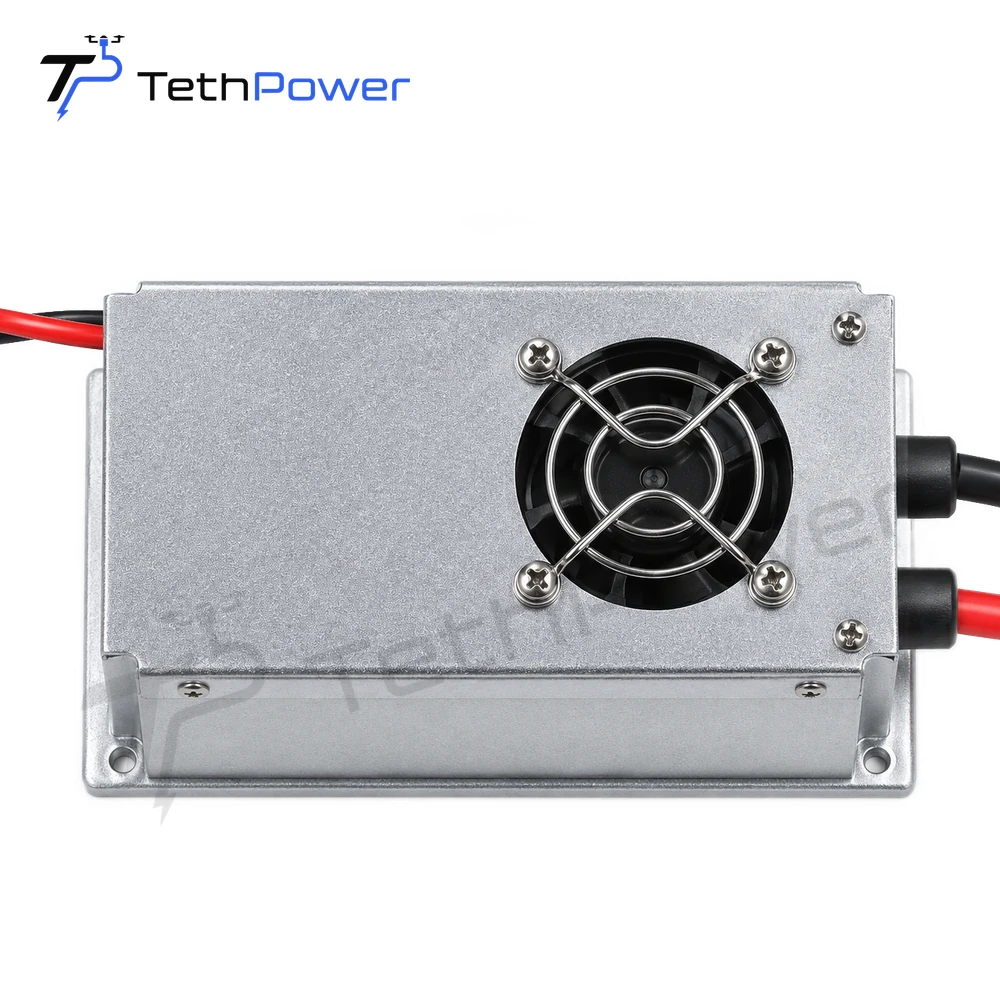
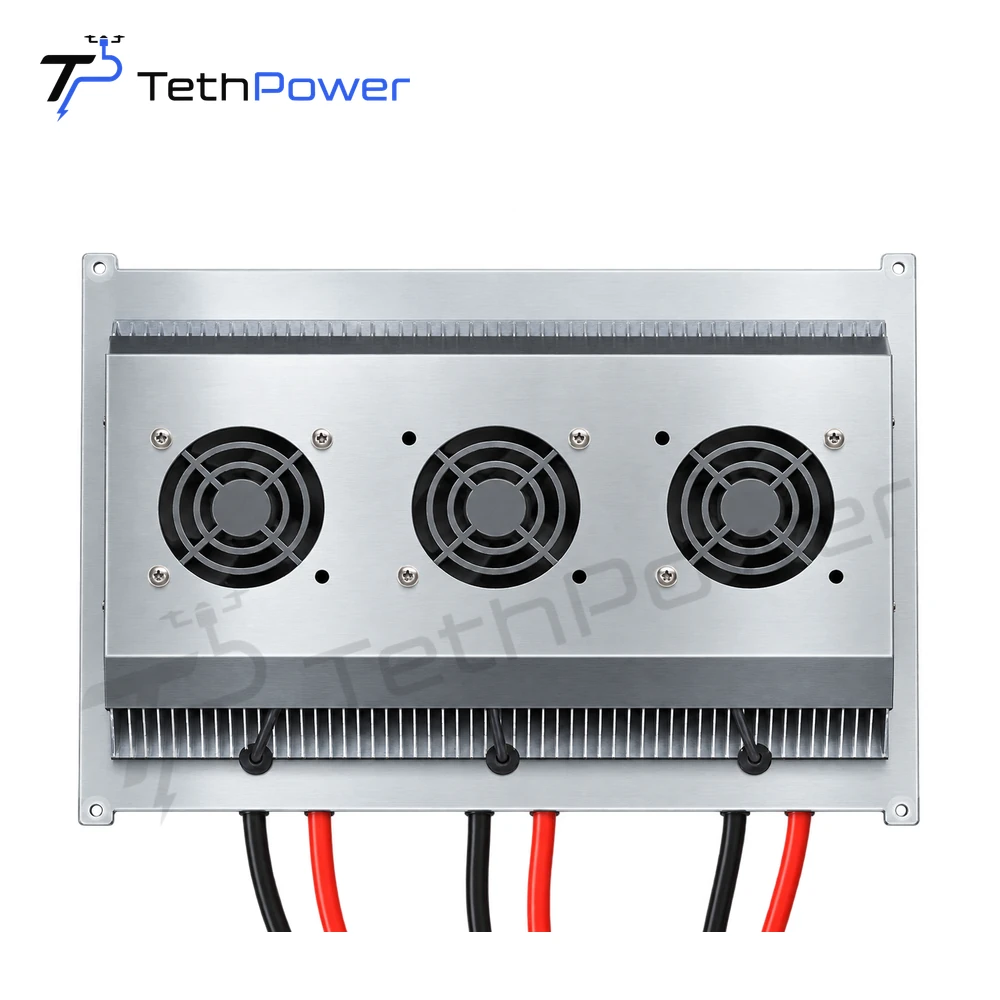
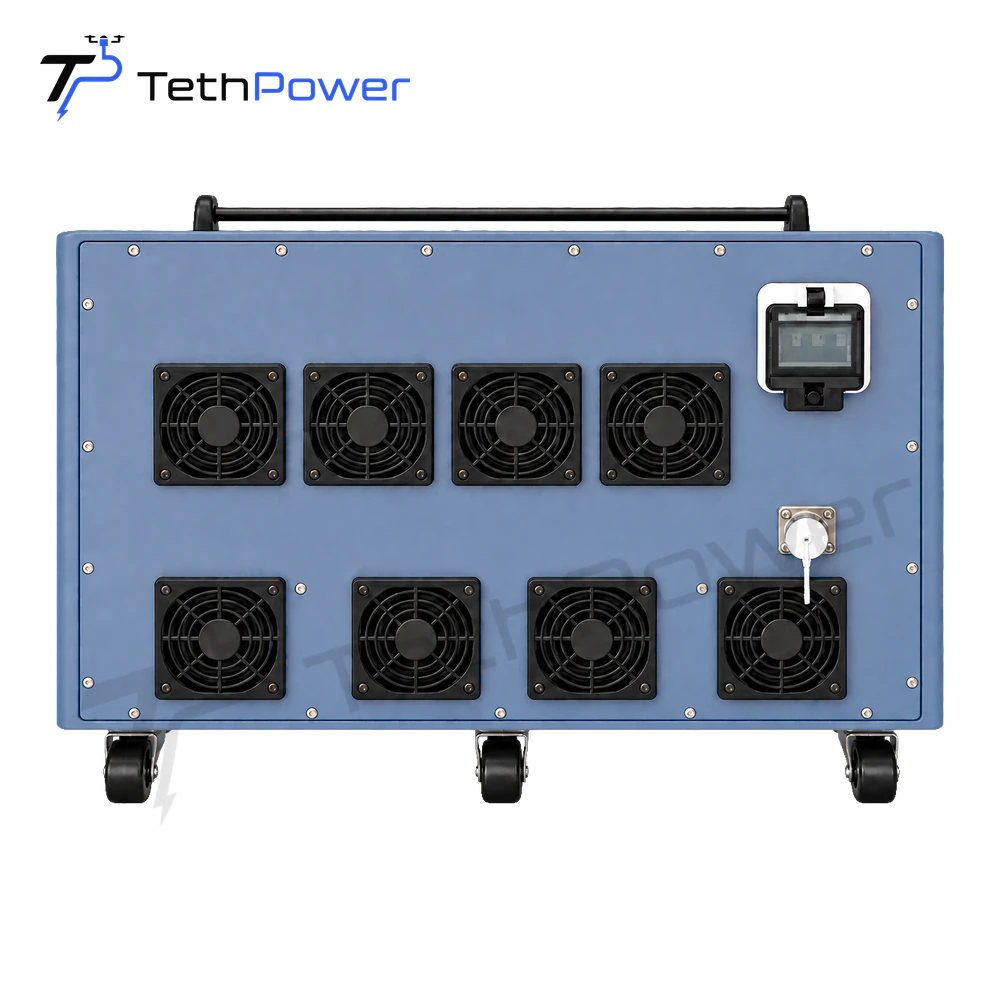
The airborne power range and ground station range show our listed equipment. Use their individual specifications to identify possible starting points. Rated, maximum and peak figures retain the meanings and conditions stated on each product.
For example, a different aircraft output requirement may call for another existing module before any custom design is considered. A connector, cable or mounting request may instead require a project-specific change. We will discuss the proposed approach around the actual installation.
Include the equipment used for your task
Cleaning, lighting and communications equipment can introduce additional loads, connections and mounting requirements. Identify the accessories you need and those already owned. We can discuss their supply alongside the core ground and airborne modules.
For cleaning, distinguish the water hose from the electrical tether. For wired data, describe both endpoint interfaces. These details help define a complete proposal without combining equipment on power figures alone.
Agree the equipment scope
The proposal should identify the modules, cable, interfaces, accessories and documentation to be supplied, along with customer-supplied equipment. Requirements for evaluation, quantities and delivery are discussed for the project.
You can select current catalogue components in Build and send the proposed configuration. If the requirement is outside those options, contact us directly from this page. For private labeling or a product-development partnership, see our OEM and ODM service.
Before you request a quote
Can I order an airborne module or ground station on its own?
Yes. We supply both individually. Tell us which aircraft, module, ground station or cable you are keeping so we can review the connections and quote the equipment you need.
Can I use a 110 V supply with a listed ground station?
Check the selected station’s documented input. Our listed ground stations include 220 V AC and 380 V AC options; a 110 V source is not interchangeable with either. Send the available voltage, frequency, phase and source model so we can discuss the ground-power requirement.
What if my required voltage or connector is not listed?
We can discuss a custom configuration. Send the aircraft’s allowed DC input range, sustained and peak demand, connector details and installation constraints. We confirm the proposed design and supply scope for your project.