Work from the equipment you already have
An integration project may begin with an aircraft and payload, an existing airborne module, or a ground station that needs to support a different installation. List those items first. We can focus the equipment discussion on the missing parts and the connections between them.
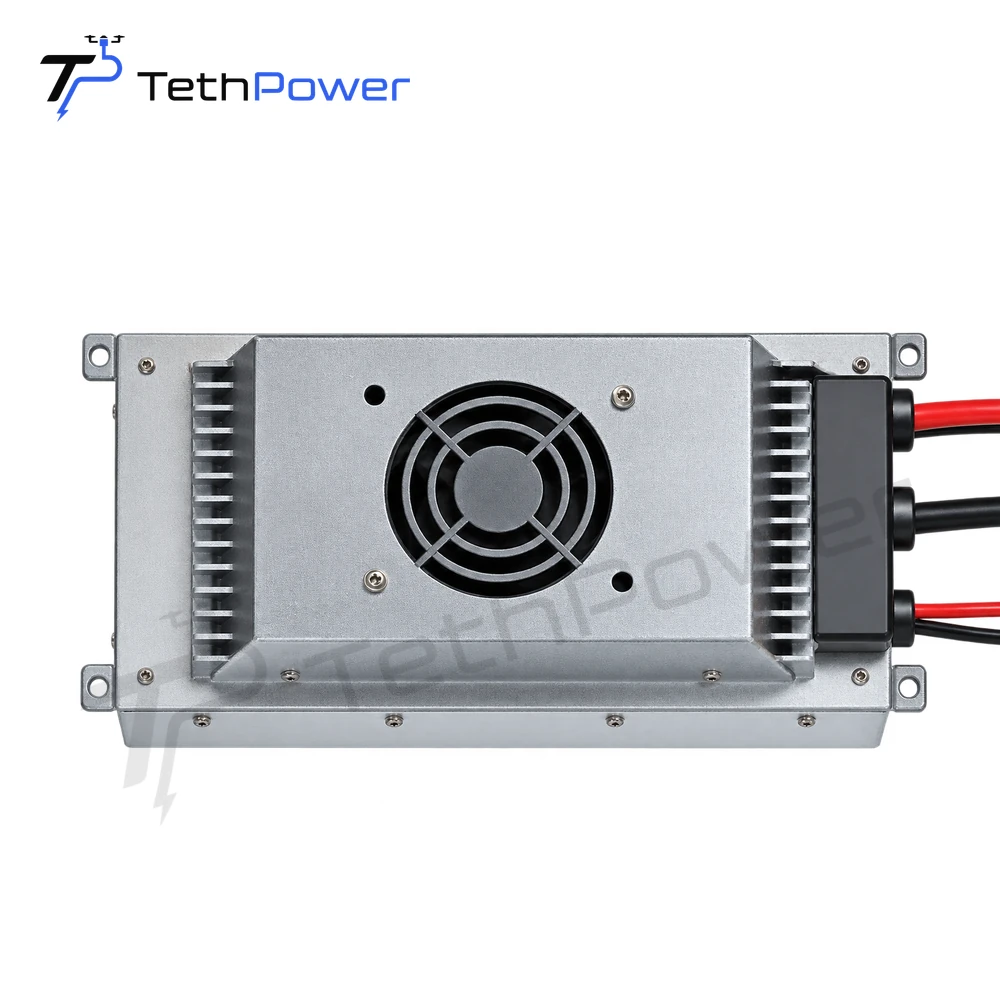
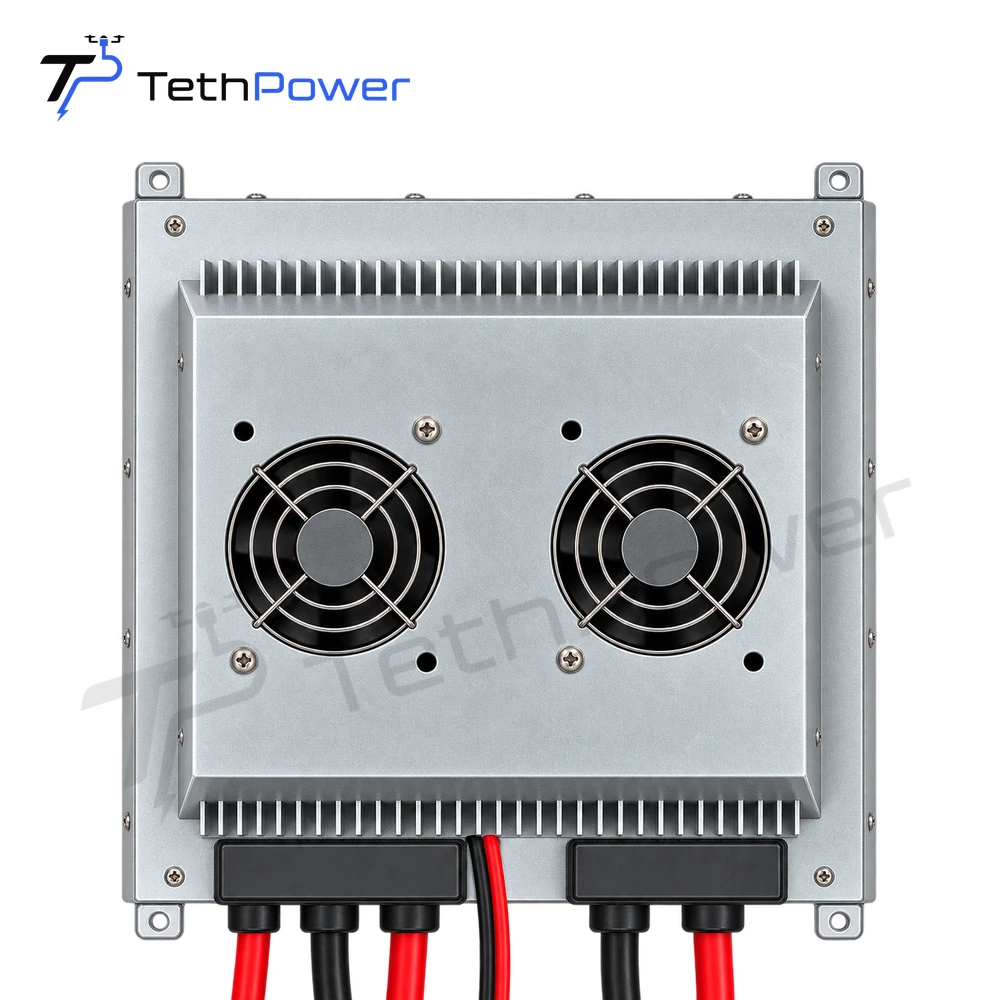
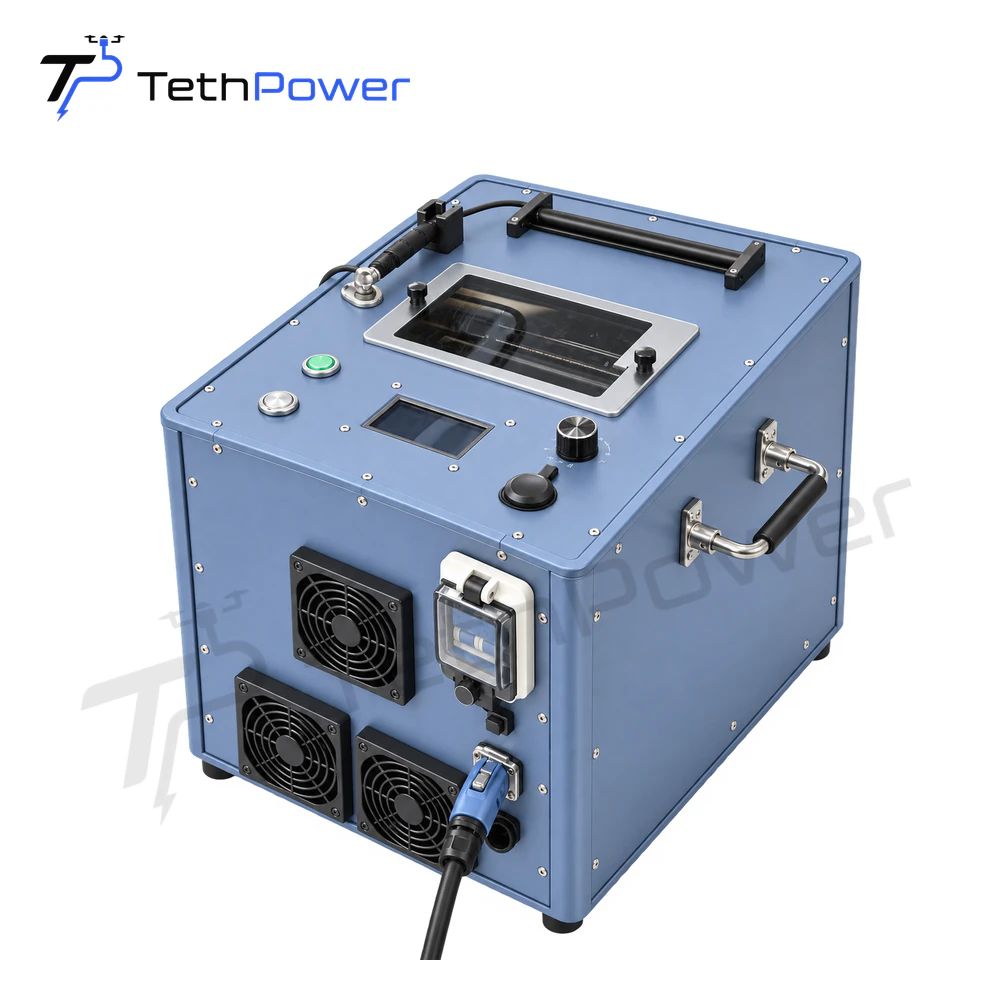
Our core supply is airborne power modules and ground power stations. Cable, mounting, connectors and task equipment can be discussed as part of the project scope.
Review the interfaces as one system
| Interface | What we review with you |
|---|---|
| Site power to ground station | AC input requirements and available supply |
| Ground station to airborne module | Output and input ranges, cable loss and connections |
| Module to aircraft | Output voltage, sustained and transient demand |
| Module and battery | Proposed battery role and response to power changes |
| Power equipment to airframe | Mounting, mass, cooling and cable routing |
| Task payload | Additional power, control, data and mechanical requirements |
This review connects the documented properties of the components to the proposed installation. A product’s power class or a single matching voltage is not a complete integration specification.
Choose a practical starting point
For an existing DJI aircraft, review the named DJI systems before choosing separate components. For a custom platform, start with the aircraft’s input range and load, then review the airborne modules and matching ground-side requirements.
If you have already selected a candidate, send its model with the aircraft and payload information. We can discuss whether to retain that equipment, consider another listed module or review a custom requirement.
Define responsibilities and evaluation
Identify which equipment each team will supply and who will assemble and evaluate the complete installation. This is especially useful when the aircraft, payload, ground supply and power modules come from different suppliers.
The project discussion can then cover the proposed equipment list, open interfaces, documents and evaluation requirements. Agreement on those items gives both teams a clear basis for reviewing the assembled system.
Start the discussion with your aircraft and task
Send the aircraft model, payload, operating height and available ground supply. Add the voltage and load information you have, plus documents for existing components. We can use that material to identify the next selection step.
Use Build for a proposed combination of listed products. A single-module replacement can be requested from its product page. For new electrical or mechanical requirements, see custom tethered power; for branded supply and shared product development, see OEM and ODM.
Before you request a quote
Can we discuss power for an eVTOL ground test?
Yes. Describe whether the test concerns a load, a propulsion subsystem or the complete aircraft, and provide the DC bus range, load profile, ground supply and cooling arrangement. We review the equipment against that test requirement; the power rating alone does not establish suitability for the complete installation.
Do matching power ratings make two modules compatible?
A power rating alone is not enough. We review ground output, airborne input and output ranges, cable losses, connectors, load, battery arrangement and installation conditions together.
Does a power tether also carry data?
That depends on the selected cable and equipment at both ends. Tell us whether you need power only or a wired data connection, along with the interfaces and data requirements. We confirm those items in the proposed configuration.
Can I keep my existing drone and payload?
Send the exact aircraft and payload models, specifications and existing connections. We review the proposed power integration around that equipment. Compatibility and the parts to be supplied are confirmed for the specific installation.