Choose the working relationship around your product
You may need an existing airborne module for a new aircraft, a ground station supplied under your brand, or development around a new set of interfaces. We can discuss these requirements with manufacturers, integrators and distributors.
The first decision is which parts of the product are already defined and which need development. This separates a standard component order from a project involving new electrical, mechanical or control requirements.
| Requirement | Starting point | What we discuss with you |
|---|---|---|
| OEM component supply | An existing airborne module or ground station | Model, interfaces, quantities and integration into your equipment |
| Private labeling | An agreed product and supply scope | Brand presentation, labeling and required documentation |
| ODM requirements | A defined function or specification | Electrical requirements, mechanical constraints and development scope |
| Joint development | A shared product objective | Responsibilities, interfaces, evaluation and project milestones |
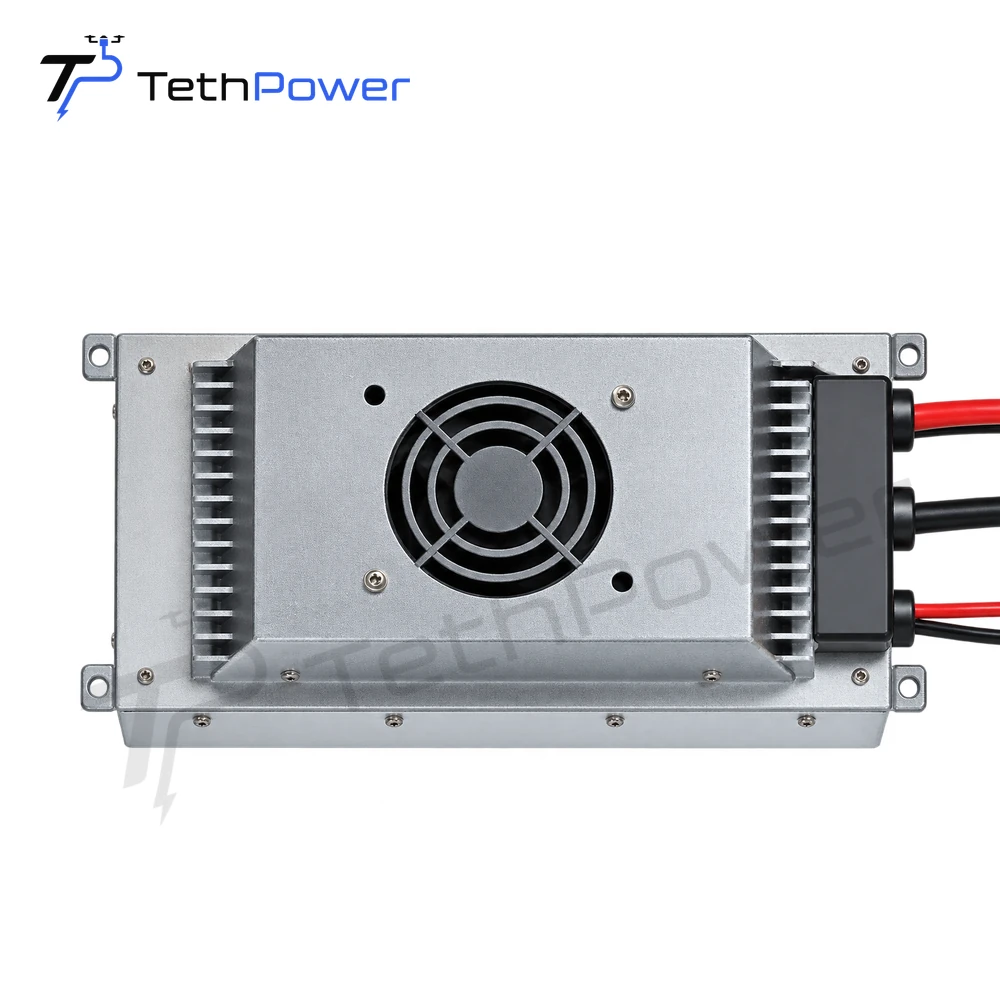
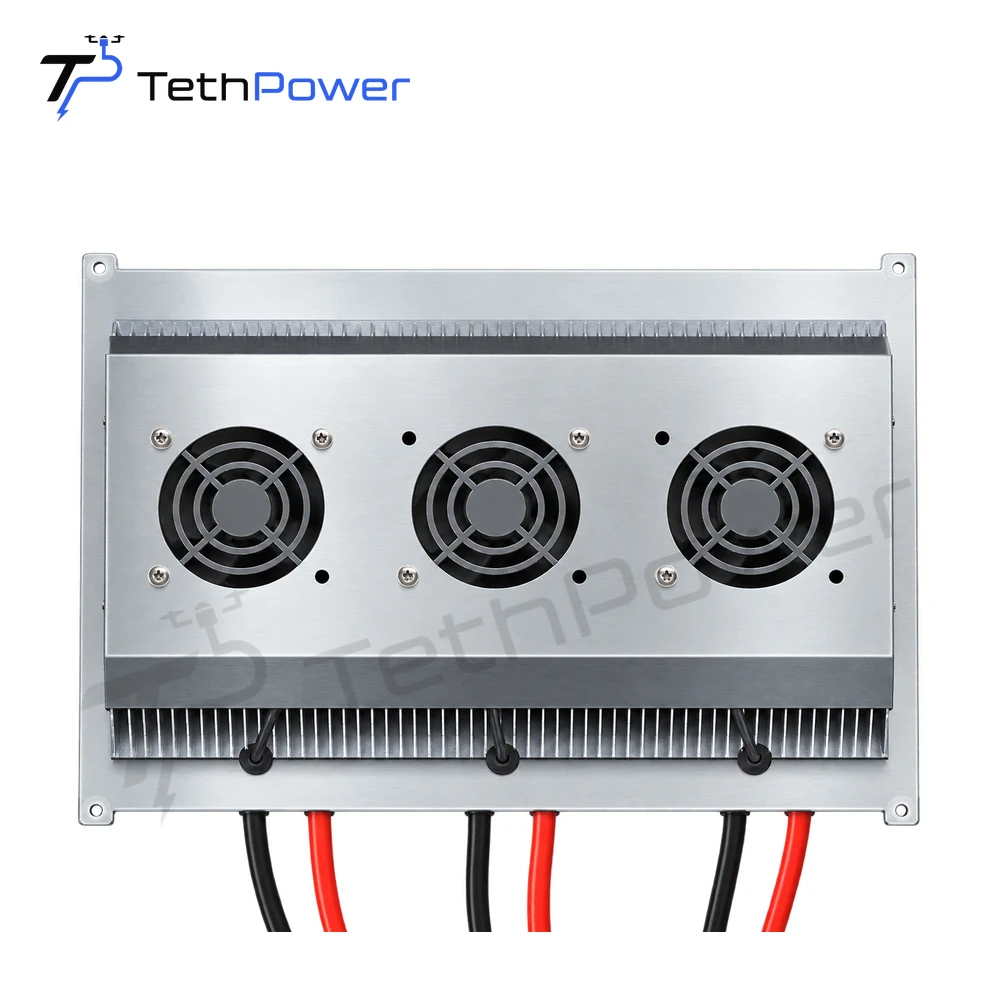
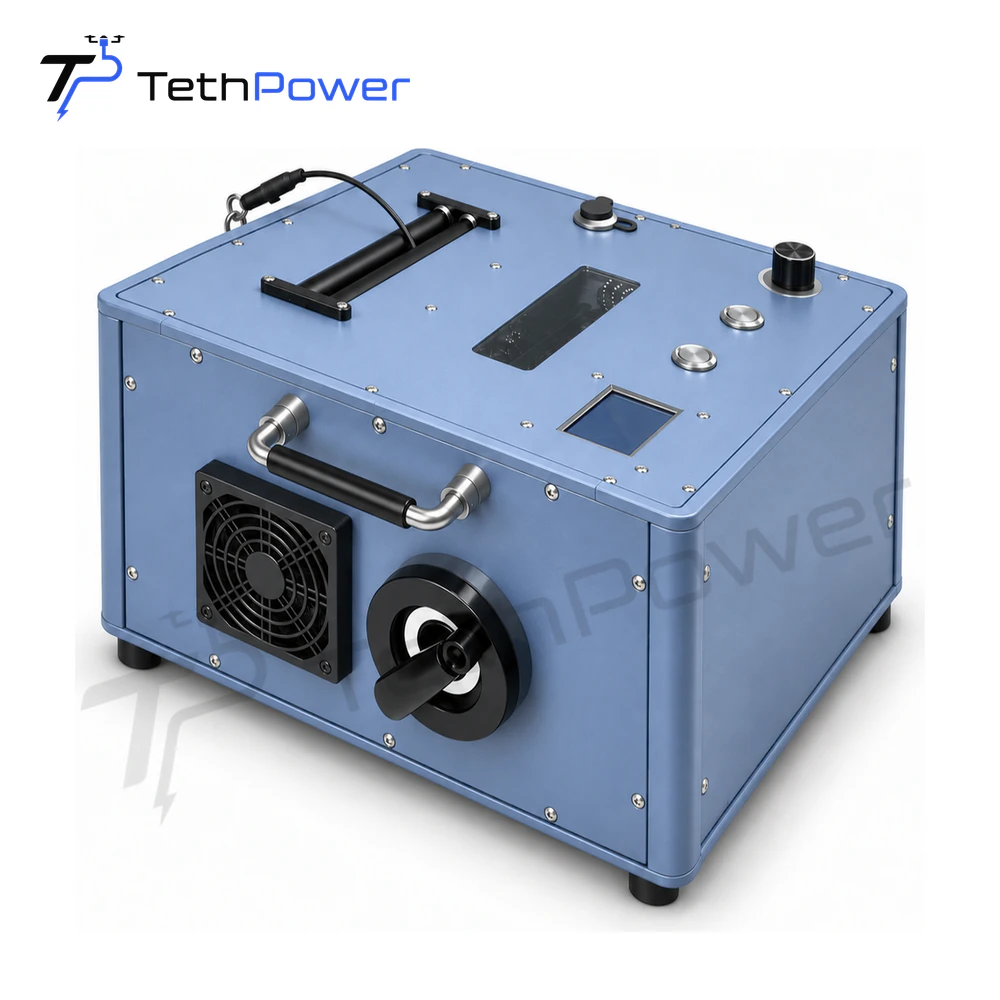
Use the existing modules as a starting point
Our airborne module range and ground stations provide documented products to review before defining a new design. The product pages include model-specific specifications and manuals.
Starting from an existing module can make the discussion more concrete: you can identify the voltage, power or installation condition that needs to change. Where the requirement calls for a different approach, we can discuss the development work rather than treating an existing model as a universal fit.
Define the interfaces and supplied equipment
For an airborne module, share the aircraft input range, sustained and peak load, available space, mass allowance and cooling arrangement. For a ground station, include site power, tether length, deployment conditions and the proposed airborne equipment.
Add requirements for connectors, cable, mounting, controls and product presentation. Identify the parts supplied by your team and the parts you want us to provide. We can then discuss a component supply, a proposed power configuration or a broader integration project.
Plan the evaluation and production discussion
An initial enquiry can begin with a product specification or a named catalogue model. From there, we can discuss the proposed scope, evaluation equipment, documentation and the intended order profile.
If you are planning a product range, include target configurations and expected quantities by stage. Development work, sample arrangements, production timing and commercial terms are agreed for the specific project.
Start with the requirement you have
You do not need to select every accessory before contacting us. Send the aircraft or product concept, the electrical requirements you know and the work you want us to undertake. Include drawings or interface documents if available.
For listed components, Build lets you assemble a proposed ground-and-air configuration. For changes to voltage, cable, connectors or mounting, see our custom power service. If the main challenge is connecting existing equipment, see tethered power integration.
Ordering and support
Can you supply modules under our brand?
We can discuss OEM supply and private labeling for airborne modules and ground stations. Tell us the models, intended quantities, labeling and documentation you need so we can define the supply arrangement.
Can we work with you on a new power-system design?
Yes, we can discuss ODM and joint development. Start with the aircraft, electrical requirements and intended application. We agree the interfaces, responsibilities, evaluation work and deliverables for the project.
Do I need a complete specification before contacting you?
No. Send the information you have and identify what is still undecided. We can start with an existing model or an initial project brief. Quantities, development work, lead times and commercial terms are agreed for the proposed scope.
Which documents can we discuss before ordering?
Start with the selected model’s specifications and manual, then tell us which drawings and interface documents your team needs. Tell us which equipment each team supplies and who will assemble the complete installation, so we can discuss documentation for the equipment you actually plan to use.
What should we confirm in the quotation?
Ask us to identify the quoted equipment, optional items and the parts your team supplies, with documents and requested spares listed separately. Record the currency, quotation validity, delivery scope, lead time, payment and stated warranty terms. We agree quantities, production timing and commercial terms for each project, so compare proposals using the actual offer.
Can we order spare cables and parts with our project?
Yes. Tether cables, connectors, fuses and fans are consumable parts. To request a part, send the model, clear photos of the part and its connectors, and the quantity. Requested spares are listed separately in the quotation. For prices, quantities and lead time, contact sales.
Can you supply documentation in another language for OEM supply?
Our manuals are in English. To discuss translated documentation as part of your supply, tell us the model and the language you need, then contact sales.
Can we order samples before volume supply?
Sample arrangements, production timing and commercial terms are agreed for each project. Share your expected quantities by stage so we can plan. For sample terms, MOQ and lead time, contact sales.