The decision
Check your site's temperature range, altitude and exposure against each component's documented limits, and keep any temperature condition with the continuous rating it applies to.
Start with your site conditions
Write down the ambient temperature range, the highest altitude you will fly at, and the exposure your operation will meet, such as direct sun, rain or dust. Each part of the system has its own limits. The aircraft’s manual sets its flight limits, and the ground station and the cable can have separate limits. Send us your operating altitude and temperature range with your brief, and we will review them with the rest of the system.
Compare the documented limits
The table lists the limits in each product’s specification. Where a specification gives no figure, the cell says so, and you should ask us for it rather than assume one.
| Product | Operating temperature | Maximum altitude | Protection rating |
|---|---|---|---|
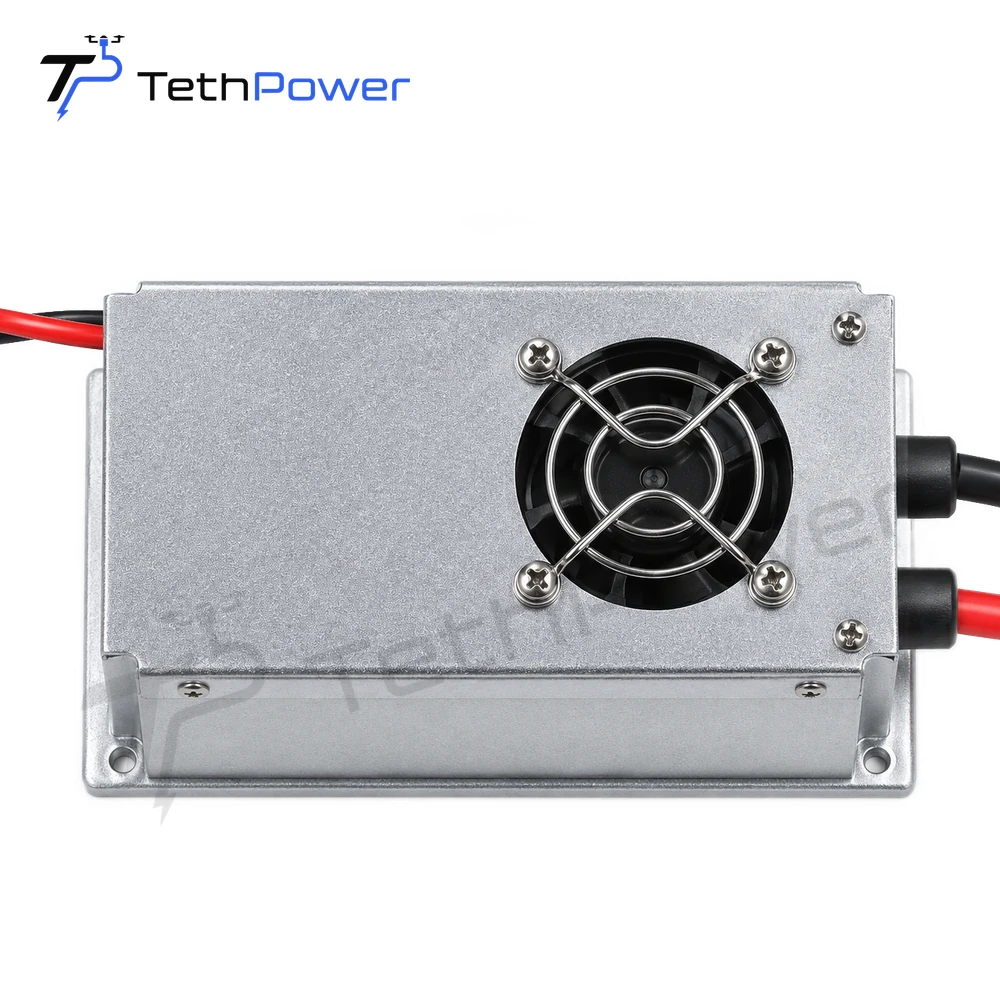
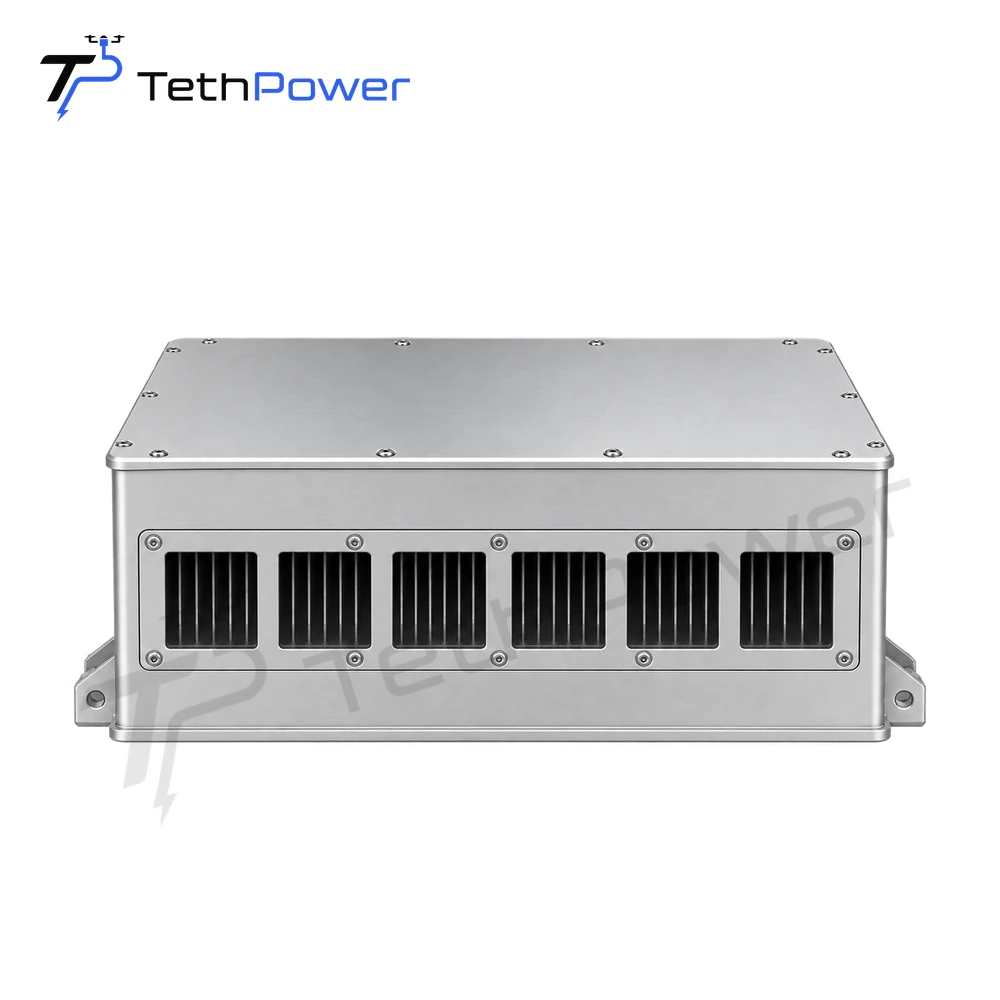
| TP-P1.5 | −40°C to +55°C, forced-air cooling | 5,000 m | IP55 |
| TP-P5-80024 | −40°C to +50°C | 2,000 m | IP54 |
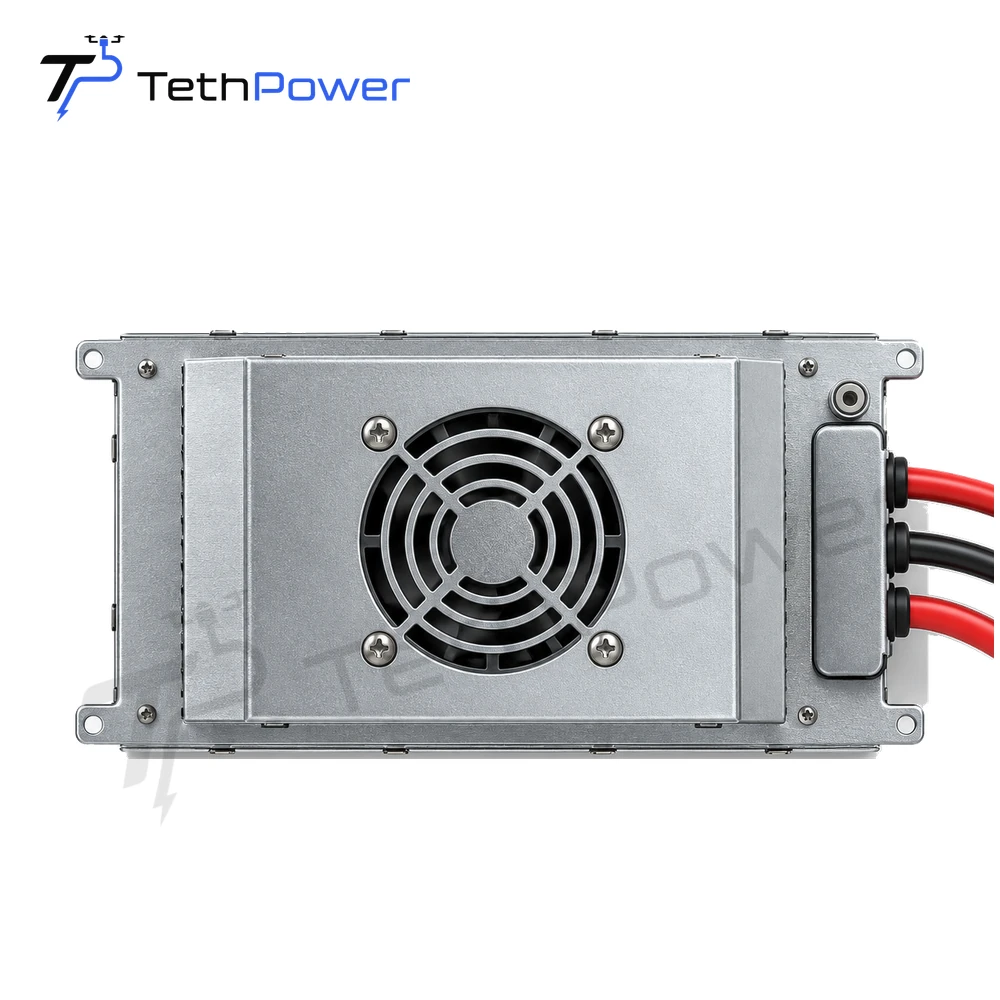
| TP-P6 | −20°C to +40°C for continuous 6 kW | 3,000 m | IP65 |
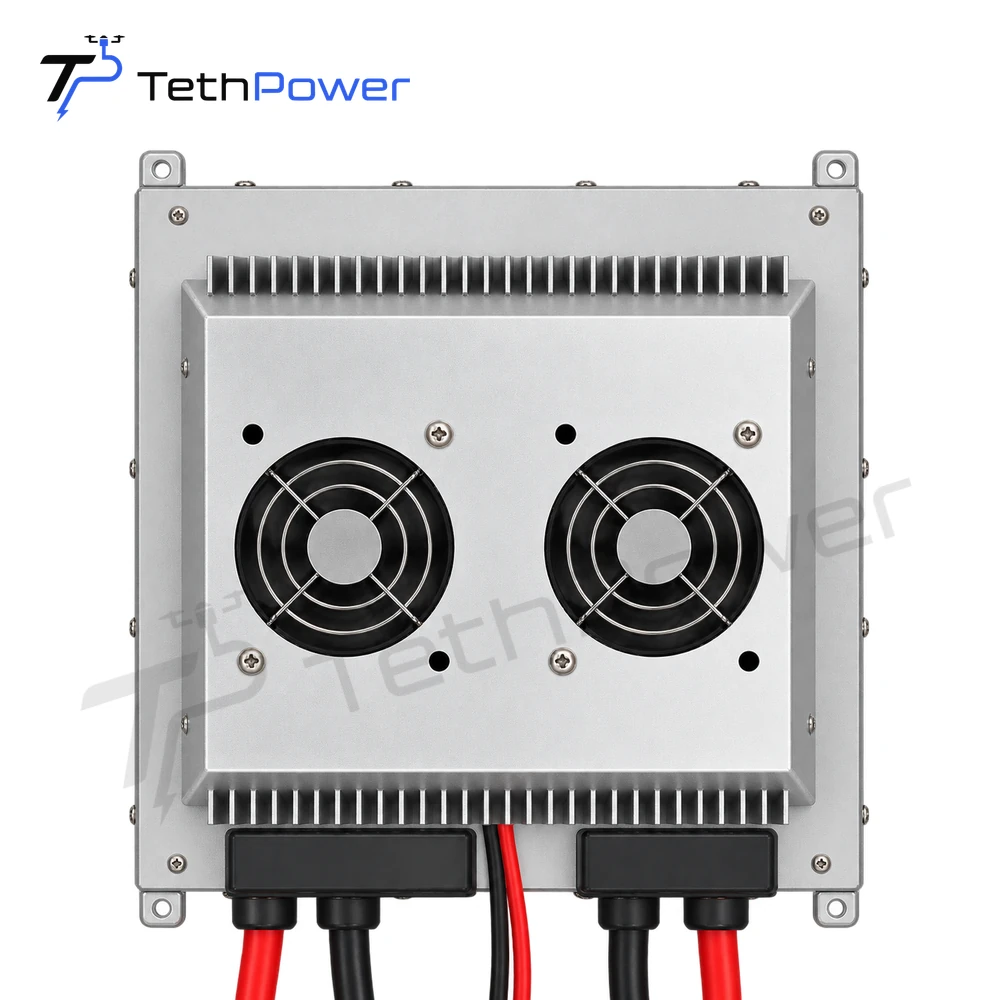
| TP-P16 | −40°C to +50°C | 2,000 m | IP54 |
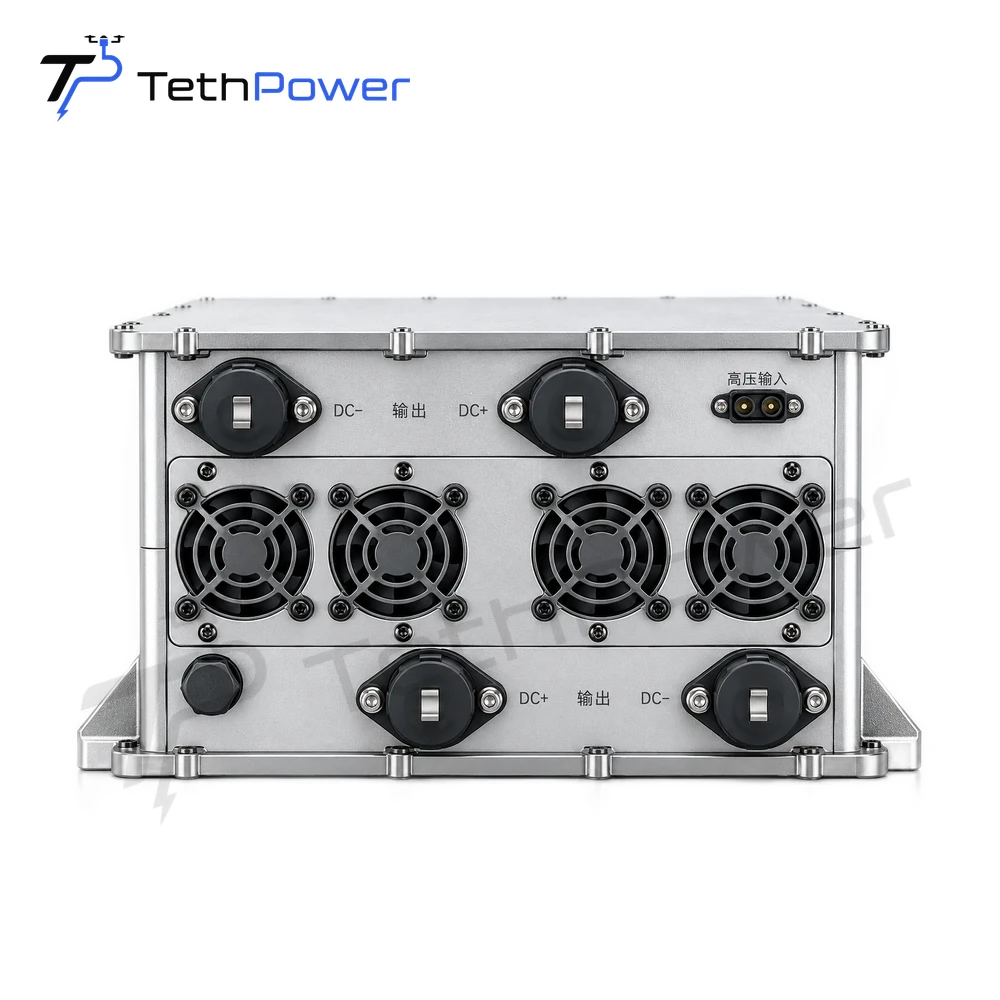
| TP-P24 | −20°C to +40°C for continuous 24 kW | 3,000 m | IP65 |
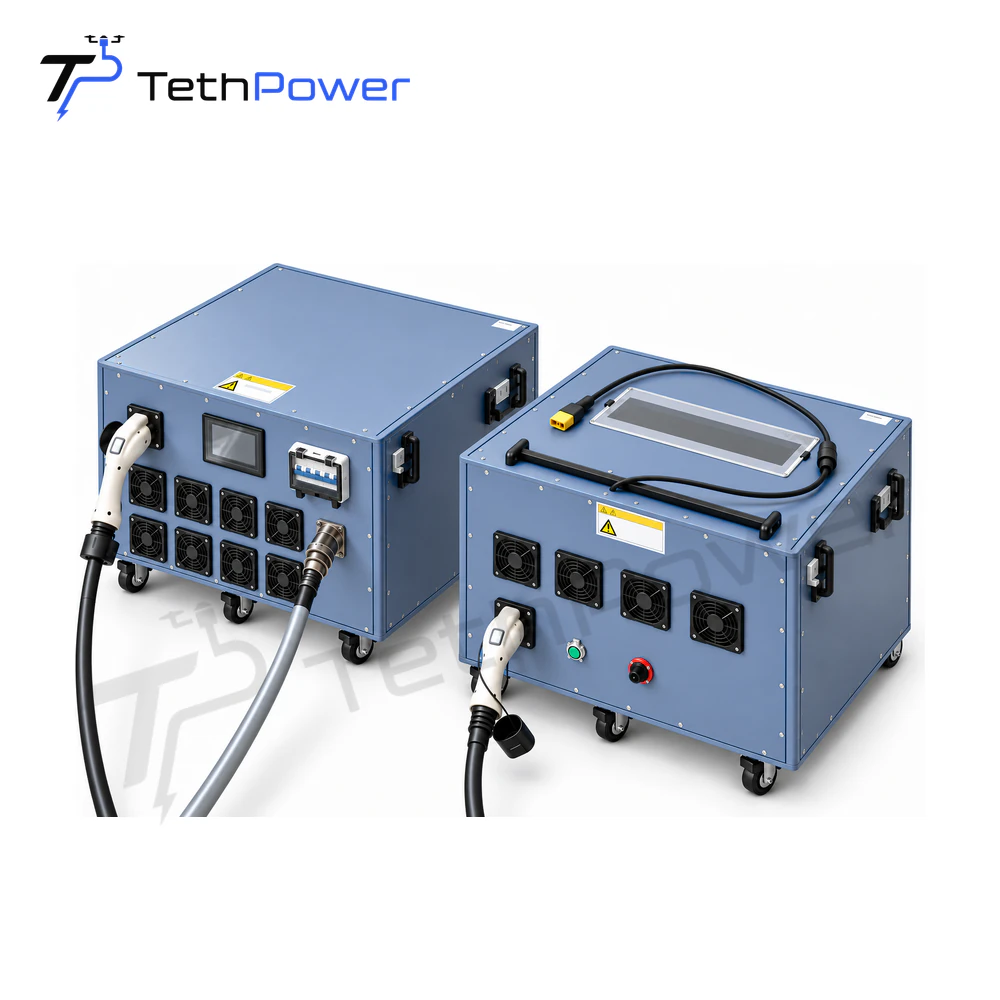
| TP-ST60 | −20°C to +45°C | Not listed | Not listed |
Storage temperature is a separate rating and does not extend the operating range. For example, the TP-P1.5 specification lists −55°C to +105°C for storage, and that figure is not an operating condition.
Keep each temperature condition with its continuous rating
Some models state a temperature range for one specific continuous power. The TP-P6 specification gives −20°C to +40°C for continuous 6 kW operation, and the TP-P24 specification gives the same range for continuous 24 kW. If your duty differs from the stated condition, send it to us for review. The manuals call for engineering review outside these conditions, and environmental derating should be evaluated outside them.
Check altitude and cooling together
Thinner air can reduce cooling. The TP-P16 documentation states that its actual power capability depends on cooling airflow, installation and environmental conditions. Plan the mounting so that air can reach the module, and check the maximum altitude that applies to the model you select before you fix a flight height.
Read the protection rating as one limit among several
The protection ratings in the table describe ingress protection only. They do not replace the operating temperature or altitude limits. Mounting orientation, airflow and condensation control still need review for each installation.
Include the ground station and the aircraft
The TP-ST60 specification lists an operating temperature range of −20°C to +45°C. Compare it with the airborne module and the cable before you choose the complete system. Each item in the chain can set the limit for the whole installation, so record the most restrictive figure for each condition.