At a glance
Start with the equipment and site constraints that cannot change. Shortlist stations by their tether output, power requirements and deployment layout, then confirm the complete configuration before ordering.
Choose the station around the project you have
A ground power station takes power from the site and supplies the tether. In a typical setup, an airborne power module converts the power arriving through that cable for the aircraft. The station may also contain the cable and reel. Choosing a station means deciding which ground equipment can support the proposed chain and be deployed at your site.
Start by separating the requirements you can change from those you need to keep. An existing airborne module, a fixed site supply or a transport limit can narrow the list before you compare models. Use our ground power station range to compare published specifications, then review the complete configuration rather than selecting on a single number.
| If your starting point is… | First shortlist question | What to carry into the review |
|---|---|---|
| An airborne module you want to keep | Which station output and tether could be reviewed against its input? | Module model, input range, connector details and intended load |
| A new aircraft project | What does the complete airborne installation need? | Aircraft supply range, sustained and peak loads, payload and mounting constraints |
| A fixed site supply | Which stations can be considered for the available input? | Voltage, phase, frequency, available power and other shared loads |
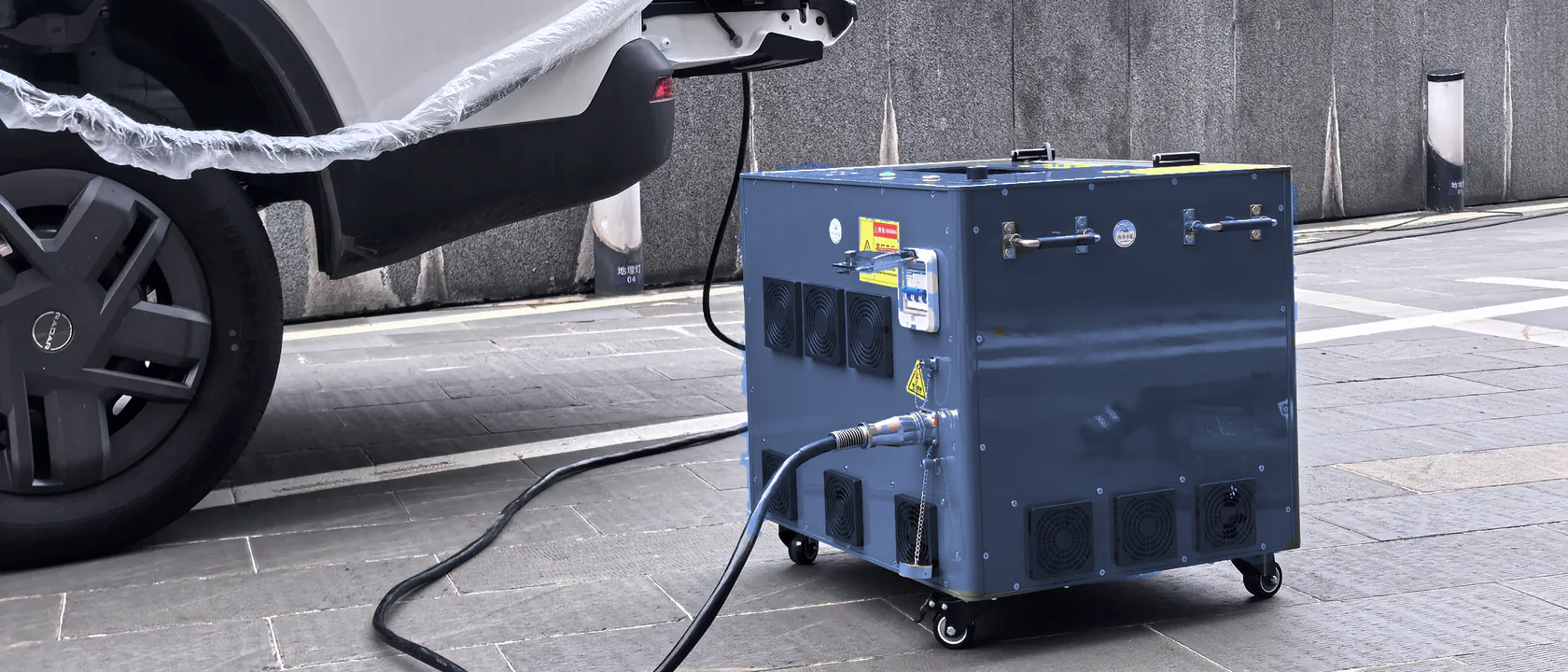
| A mobile operation | Can the equipment be transported, positioned and handled at each site? | Space, access, crew, cable route and setup frequency |
These questions produce a shortlist, not an approved pairing. Before purchase, the station, tether, airborne module and aircraft need to be checked as a system.
Compare two stations with the same cable length
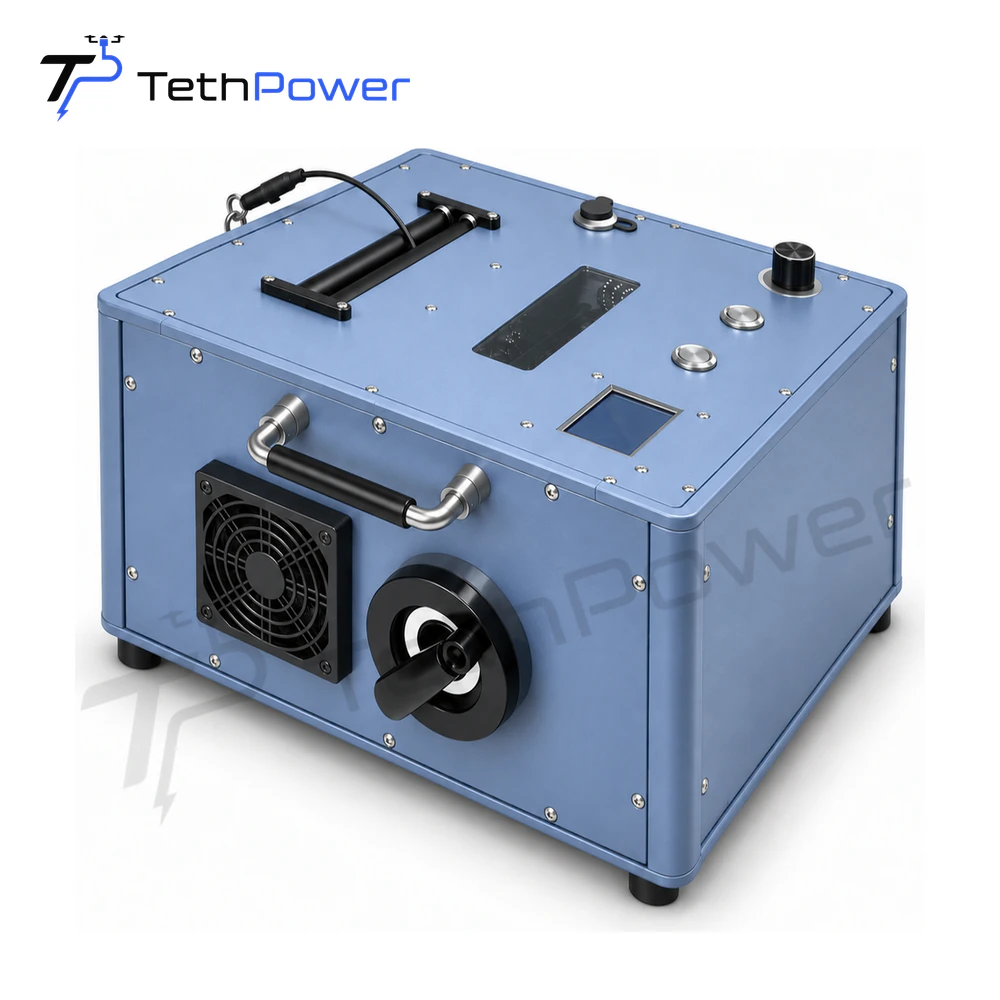
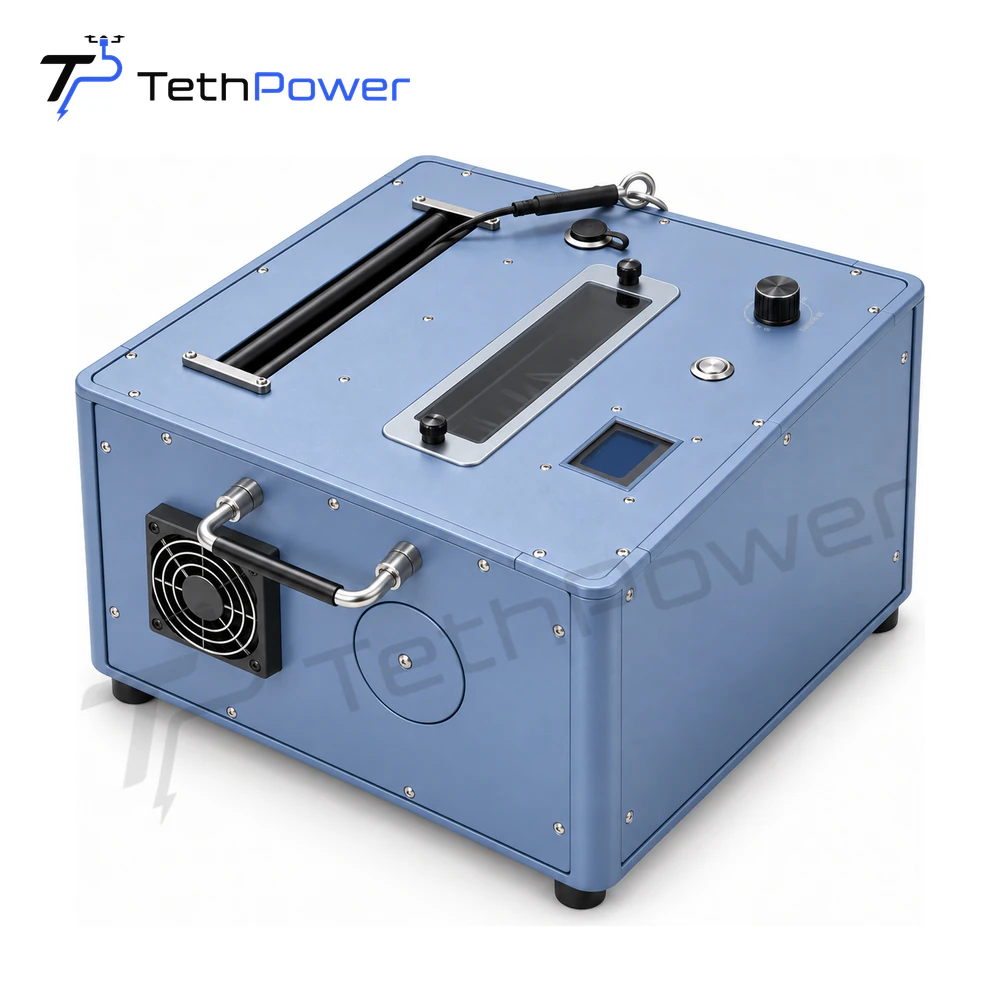
Suppose your team wants to retain an existing airborne module and has identified a 110 m tether as a useful starting point. Our TP-T4 and TP-T4H both list a 110 m cable, but their ground-side outputs differ: TP-T4 lists 400 VDC with compensation, while TP-T4H lists 800 VDC.
The equal cable length does not make these stations interchangeable. If the module documentation calls for a 400 V-class input, TP-T4 is the candidate to investigate first. That is a starting point for review, not a confirmed match: the module’s actual operating range, output conditions, voltage drop, load and connectors still matter. Do not select TP-T4H for the same module on cable length alone; its output must also be assessed against the exact module and configuration.
If the existing module’s input range or cable identification is missing, obtain its documentation or send us the labels and connector photos before treating either station as a fit. Our ground station and airborne module matching guide explains the electrical path in more detail. The length of cable on a reel is also not the same as usable flight height; see tether length and operating height.
Decide how the ground equipment must fit on site
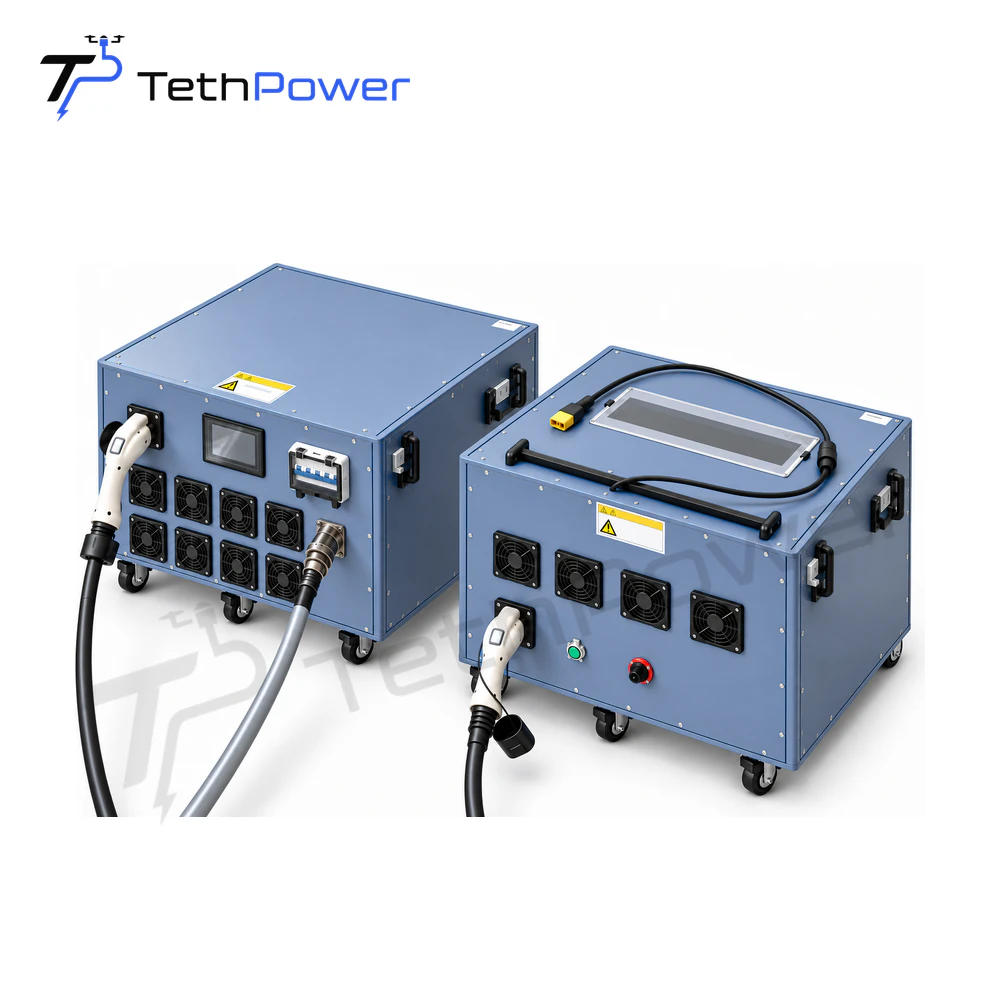
For a team that moves between sites, the station’s enclosure, cable route and handling requirements can be as decisive as its electrical specification. TP-T4 integrates the power supply and reel in one enclosure. TP-ST60 uses separate power and winch enclosures. These are different equipment arrangements; compare them against the power chain and site requirements of your project, not as substitutes based on layout alone.
For each candidate, ask where each enclosure will stand, how it reaches that position, how much clear space is available for the reel and how the team will manage the tether during setup and recovery. Check dimensions, weight and operating instructions for the proposed configuration. If the crew must move through a narrow access point or pack the equipment into a vehicle, those limits belong in the enquiry. The cable and reel guide covers handling and replacement questions.
Check the supply before choosing a source
A station’s AC input is separate from its DC output to the tether. If you have a fixed site connection, record its voltage, phase, frequency and available power, together with any other equipment sharing it. If you need to bring a generator or mobile power station, identify the intended source and its documented AC output. Our AC supply guide explains how to assess the source after identifying the station’s requirements.
Keep sustained and peak demand separate when describing the aircraft and payload. Ground-station ratings, cable losses and airborne demand describe different points in the system; a nameplate figure alone does not establish the power available to the aircraft. Where load or operating conditions are unknown, request a configuration review before fixing the station or source in the order.
Make quotations comparable
Ask for each proposal to identify the ground station, cable and reel, airborne module, connectors and any accessories by model and configuration. Mark what is included, optional or supplied by your team. If you are keeping equipment, name it on the same list so the connection and responsibilities are clear. Include required documentation and spares as separate lines, and ask which installation or interface details remain to be confirmed.
A lower price is useful only when you understand what it covers. Compare the equipment and unresolved interfaces alongside the price, then use our quote comparison guide to review the rest of the purchase.
Contact Stella with the equipment you want to keep, the aircraft and payload, the site supply and the way your team deploys. We can discuss which ground stations merit review and what the proposed quotation needs to include.