The decision
Ground power removes the battery limit, but a tethered drone's airborne time is still set by its motors, ESCs and cooling, the weather, maintenance and the ground supply. Plan airborne hours around planned stops, and read any endurance figure with its stated conditions.
Ground power removes the battery limit, not every limit
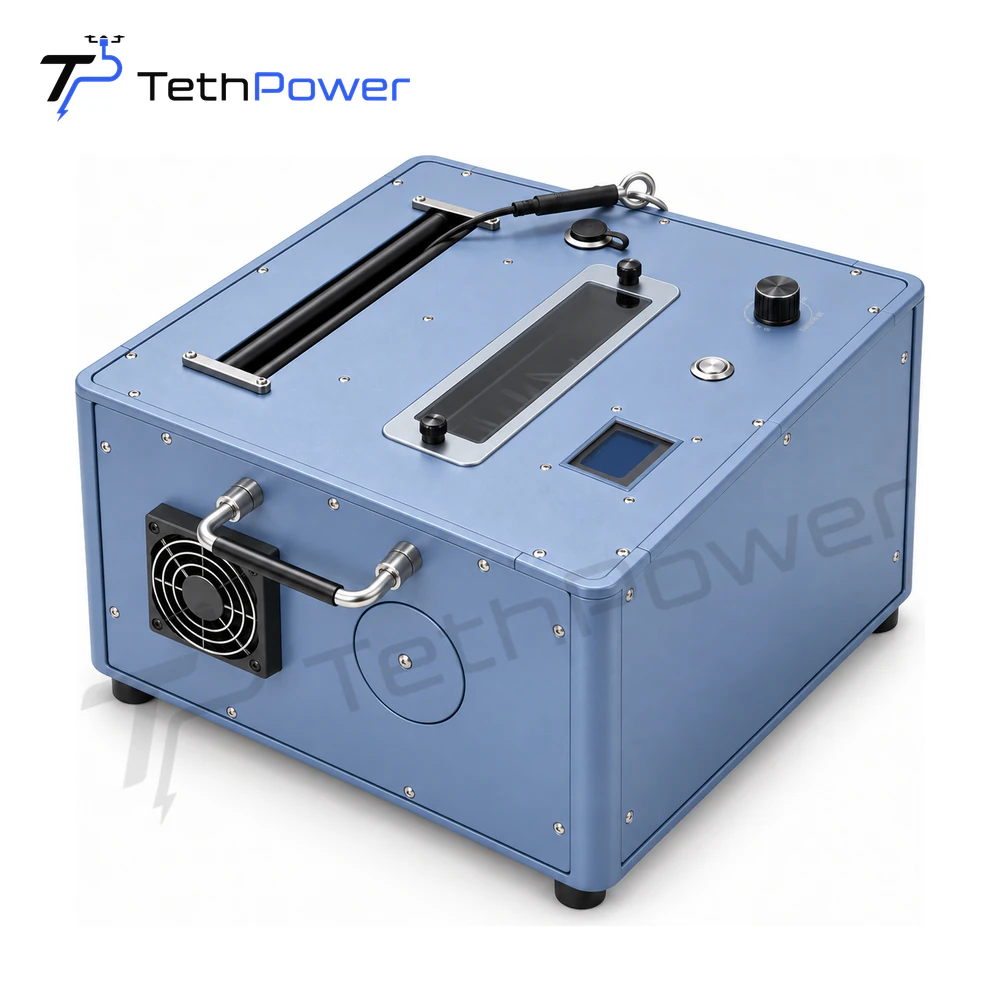
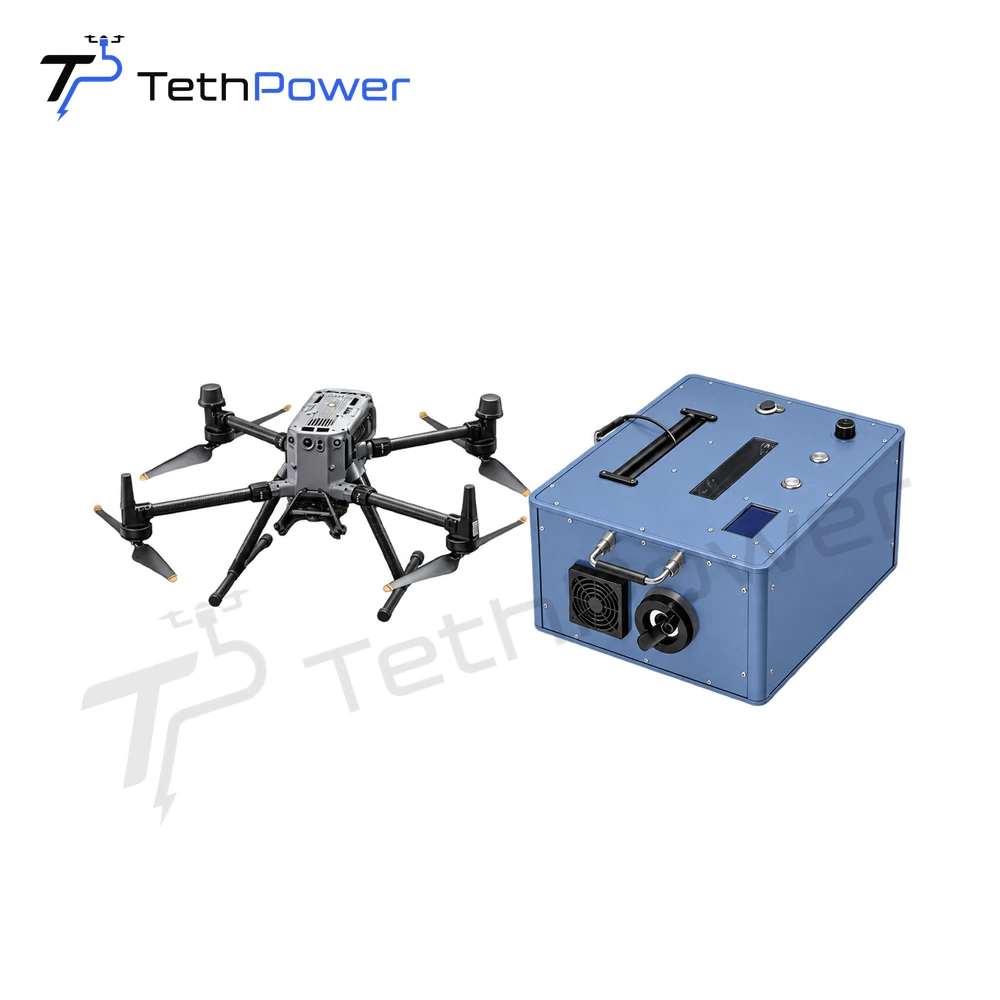
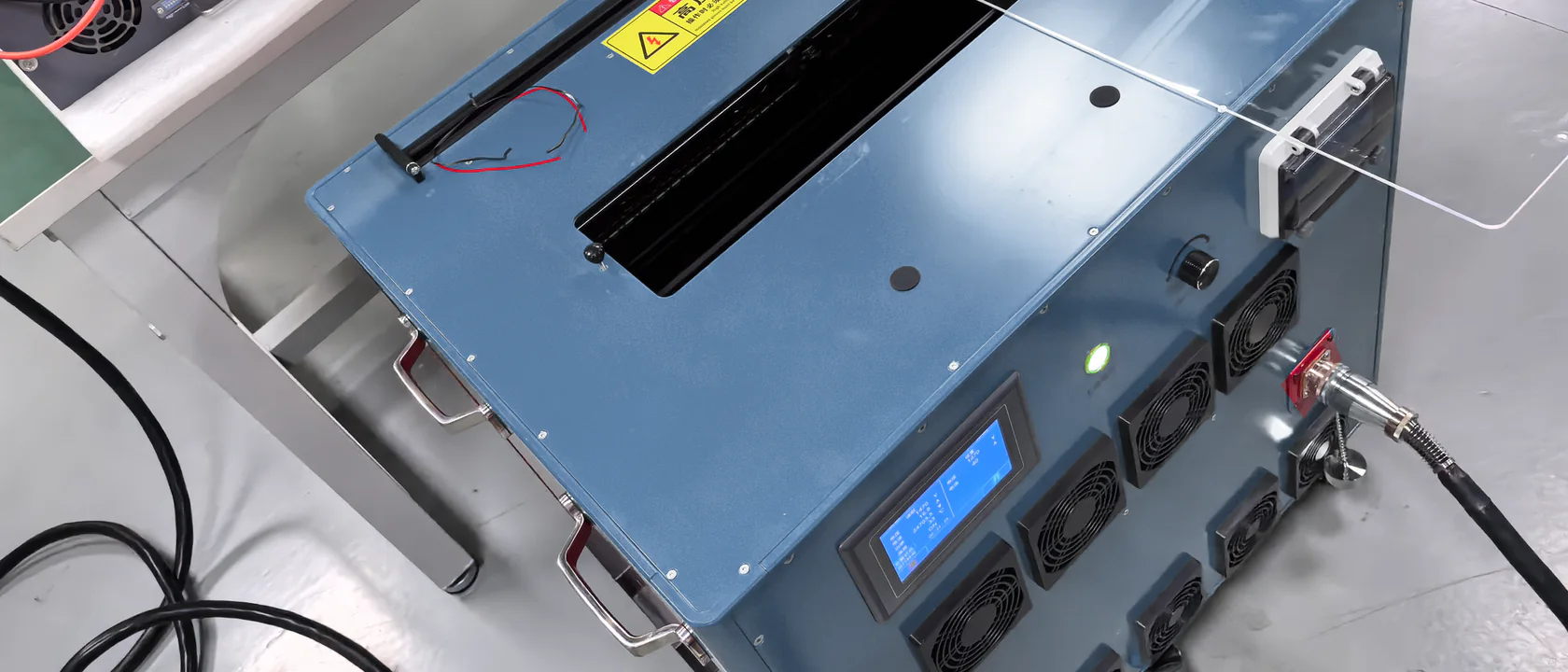
How long a tethered drone can fly is set by the whole system, not by one battery. On battery power, a task that needs an aircraft overhead is split into flights: your team lands, changes the battery and relaunches. With tethered ground power, a ground station such as our TP-T4H supplies the aircraft through the tether, and the normal battery-cycle limit no longer sets the length of each flight.
The other limits stay. Flight endurance is still limited by motors, ESCs, propellers, bearings, cooling, flight-control behavior, weather, payload and maintenance requirements. A ground supply that can run for extended periods does not mean every aircraft can stay airborne without inspection. For your operation, the change can be fewer landings and fewer battery-change interruptions, while the ground supply, aircraft thermal limits and maintenance allow.
Continuous power also does not make the aircraft unattended: a trained operator or team still monitors it, so crew hours belong in the same plan. For the short answer on flying indefinitely, see the FAQ in what is a tethered drone.
Motors, ESCs, cooling and maintenance
Removing the battery-endurance limit can expose thermal limits that were less visible during short battery flights. Motor, ESC and connector temperatures need watching during extended missions, and the aircraft’s thermal limits and maintenance intervals still apply.
Conditions on the day move these limits. Power electronics may need thermal derating when ambient temperature, internal temperature or airflow exceeds the design condition. At a high operating altitude, lower air density can reduce cooling performance and change propulsion efficiency, so a figure obtained at sea level may not transfer to your site. Weather can keep the aircraft on the ground whatever the supply can deliver.
Maintenance becomes planned time. During a long mission, your team periodically checks the cable, connectors, temperatures, battery status, the winch, weather, alarms and fasteners. Inspections and maintenance intervals that need the aircraft on the ground become planned stops; follow the product manual and your site’s own work rules for each.
Ground supply: mains, generator refueling and backup
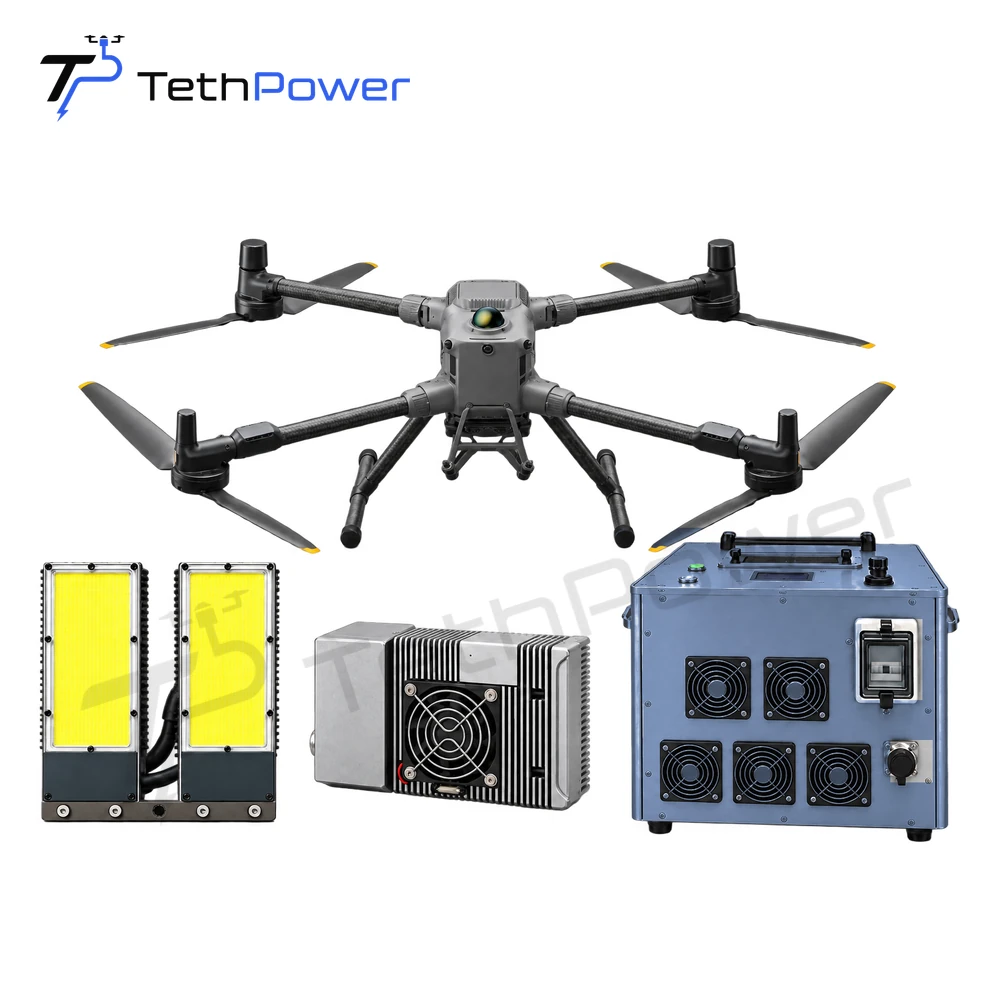
The ground station runs from site AC. TP-T4H lists an AC 220 V external power input, and the ground unit of the TP-Matrice M400 tethered lighting system accepts 220 V AC. TP-T4H is a separate ground station; the standard configuration of the M400 system, designed for the DJI Matrice 400, combines the TP-T-M400 ground unit, the TP-P-M400 airborne power module and lighting lamps.
Site mains, a generator or a mobile power station can each be considered when it provides the station’s documented input. A generator needs its expected operating duration and refueling arrangements agreed before the job. A mobile power station’s usable energy and operating conditions affect how long it can carry the load. For generator selection and sizing, see choosing the AC supply for a tethered drone ground station.
In a tethered project, the aircraft battery may remain part of the power arrangement, for example to support the aircraft during a ground-power interruption. What it can support depends on the battery, its condition, the aircraft load and the complete installation, not on a module’s power rating alone. See battery backup and power sharing in a tethered drone. A supply plan agreed before the job helps keep refueling and battery care inside planned stops rather than unplanned ones.
Read an endurance figure with its conditions
An endurance figure means little without the conditions it was obtained under. Whether you read a supplier’s figure or write one for your customer, it should state:
- The aircraft and the payload it carried
- The ground station, its AC source and the tether length in use
- Ambient temperature, altitude and weather
- The inspection and maintenance intervals assumed
- Whether the figure was measured in flight or calculated
Keep power values with their labels too. Our TP-T4H page lists 4 kW rated power and 4500 W maximum output power. Rated, maximum and peak values each mean something different, and a peak or class label is not a continuous rating; see continuous, rated and peak power. The TP-Matrice M400 page lists 3000 W maximum output power for the airborne module and describes the architecture as designed for long-duration tethered operation; it states no number of hours.
For a dealer or integrator, an endurance line written with its conditions can help a quotation hold, because your customer can compare what the figure assumes with their own site.
Plan airborne hours around planned stops
Plan airborne hours from your own shift rather than from a headline figure. In short: planned airborne time = shift time − planned stops × stop duration.
- Shift time comes from your job plan or your contract.
- Planned stops come from the inspection and maintenance intervals in the product manual and the aircraft maker’s documents, your site’s own work rules, battery care and any generator refueling that needs a stop.
- Stop duration comes from your own log or a trial on a comparable site. Where stops differ in length, count each type separately.
From your own records, keep unplanned stops, such as weather holds, an interruption of the ground supply or a pause for aircraft temperatures, on a separate line. Our tethered drone vs battery drone cost per hour guide puts planned and unplanned time on the same basis for both methods.
A plan built this way traces airborne hours back to your customer’s own site and procedures, which can help the job schedule hold.
Questions to put to the supplier in writing
Ask for written answers, so they can be compared and kept with the quotation:
- Which aircraft, payload, tether length, ambient temperature and altitude does the endurance figure assume, and was it measured or calculated?
- Which power values are rated, maximum, peak or continuous, and under what conditions?
- Which inspections and maintenance intervals does the manual set for long tethered operation?
- What AC input does the ground station need, and which source was used for the figure?
- What does the aircraft battery support if ground power is interrupted, in the installation you plan?
Ask us the same questions. Our sales team confirms any duration figure for a specific configuration, with its conditions, for your project. Warranty questions about overheating or a loss of ground power also go to our sales team. You can assemble a proposed configuration in Build and send it with your shift plan; we review the power combination, installation and supply scope with you.